
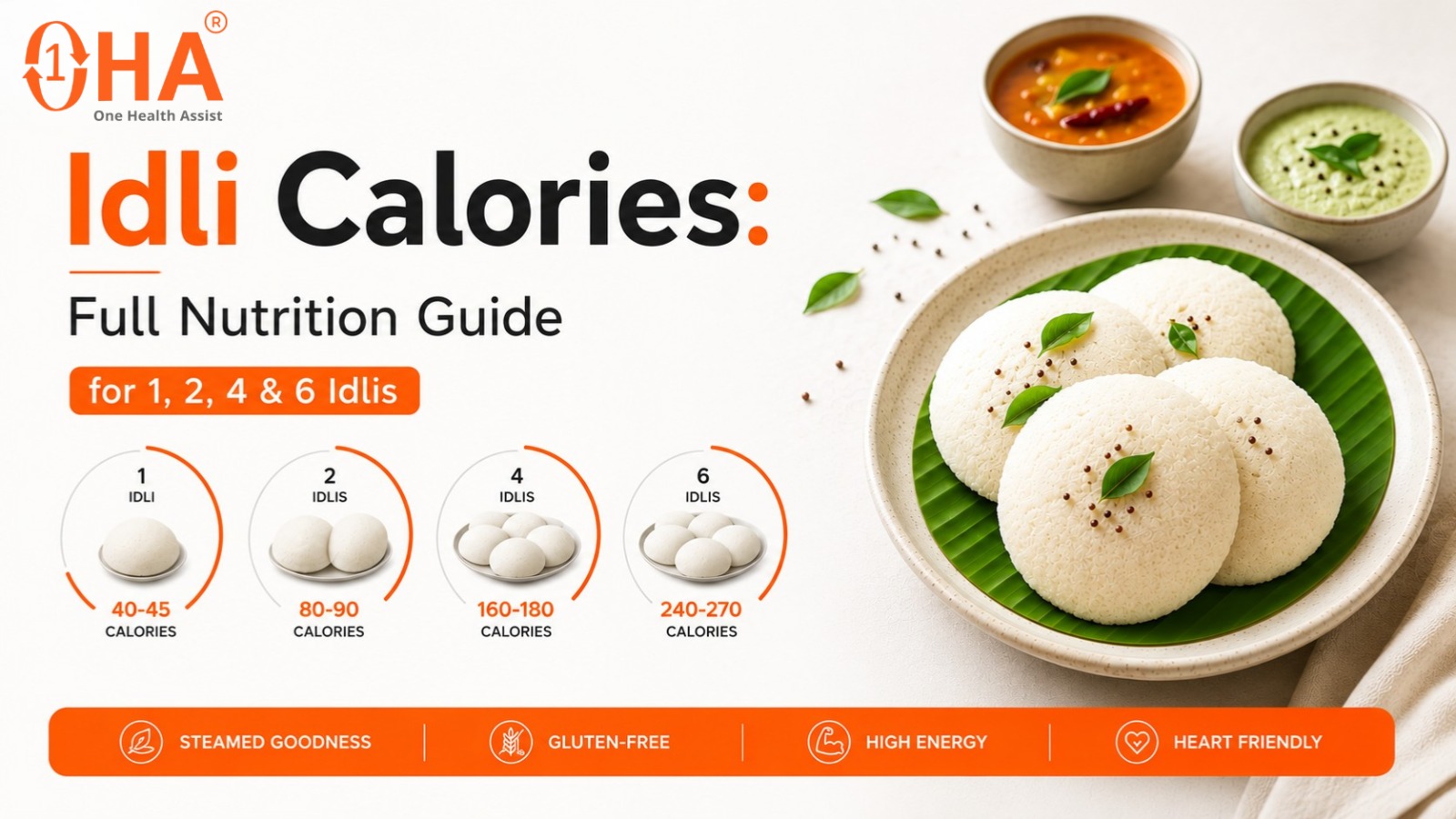
Idli calories are one of the most searched nutrition questions among Indian breakfast lovers, and for good reason this soft, steamed rice cake looks harmless but portion sizes vary wildly from home to home. Whether you eat one idli or finish a full plate of six with sambar and chutney, the calorie math changes fast. This guide breaks down idli calories by count, type, and accompaniment, so you can plan your breakfast with confidence instead of guesswork.
Table of Contents
- What Is Idli?
- Types & Characteristics
- Benefits of Eating Idli
- Why Getting Idli Calories Wrong Matters
- Understanding Idli Nutrition: Science
- Insights: Idli Calories
- Pros & Cons of Idli for Weight Management
- People Also Ask
What Is Idli Calories?
Idli calories refer to the amount of energy your body receives after consuming an idli. Calories are the standard unit used to measure the energy provided by foods and beverages. Since idli is made from fermented rice and urad dal (black gram) batter and cooked by steaming, it is naturally lower in calories than many fried or processed breakfast foods.
For most people, understanding idli calories helps with meal planning, weight management, diabetes-friendly eating, and maintaining a balanced diet.
What Does “Idli Calories” Mean?
The term idli calories simply refers to the total number of calories present in one or more idlis. Every food contains calories because it provides energy for the body to perform essential functions such as breathing, digestion, physical activity, and maintaining body temperature.
When nutritionists discuss idli calories, they are referring to the energy supplied by the carbohydrates, protein, and small amount of fat naturally found in the fermented rice and lentil batter.
How Many Calories Are in One Idli?
A standard medium-sized plain idli typically contains 30–50 calories, making it one of the lowest-calorie traditional Indian breakfast foods. Because idlis are steamed rather than fried, they are naturally low in fat while providing a moderate amount of carbohydrates and a small amount of protein.
The exact calorie count depends on several factors, including:
- The size of the idli – Mini idlis contain fewer calories, while large restaurant-style idlis can have significantly more.
- The rice-to-urad dal ratio in the batter – A higher proportion of rice generally increases carbohydrate and calorie content, whereas more urad dal adds slightly more protein.
- The ingredients used – Variations made with rava (semolina), oats, millet, quinoa, brown rice, or vegetables can alter both the calorie count and nutritional profile.
- The fermentation process – Although fermentation does not significantly change calories, it improves nutrient absorption and makes idlis easier to digest.
- The amount of oil or ghee applied before serving – Plain steamed idlis contain very little fat, but brushing them with oil, butter, or ghee slightly increases the total calories.
- Serving accompaniments – While the idli itself remains low in calories, eating it with coconut chutney, peanut chutney, sambar, or ghee can substantially increase the overall calorie intake of the meal.
Larger restaurant-style idlis typically contain 50–70 calories each, whereas smaller homemade idlis often stay closer to 30–40 calories. As a result, the total calories in a serving depend not only on the number of idlis consumed but also on their size and the side dishes served alongside them.
What Is Idli?
Idli is a steamed cake made from a fermented batter of rice and urad dal (split black gram), a staple breakfast across South India that has now made its way into kitchens nationwide. The fermentation process is what makes idli special it’s not just about flavor, it also improves digestibility and nutrient absorption compared to unfermented grains.
Types & Characteristics of Idli
Not all idlis are nutritionally identical, which is why the calorie content can vary considerably between different varieties. While the traditional steamed rice idli remains the benchmark, modern variations use alternative grains and ingredients to improve taste, texture, or nutritional value.
Plain Rice Idli
The classic idli is made using a fermented batter of rice and urad dal. It is soft, fluffy, easy to digest, and naturally low in fat because it is steamed rather than fried. This variety is generally the lowest-calorie option and is widely recommended for balanced diets, weight management, and everyday meals.
Rava (Sooji) Idli
These replaces rice with semolina (sooji) and often includes yogurt, spices, curry leaves, and vegetables. Some recipes also use a small amount of oil or ghee during preparation, which can increase the calorie content. Compared with traditional rice idli, rava idli is denser in texture and typically contains slightly more calories per serving.
Ragi Idli
This is prepared using finger millet flour, either partially or fully replacing rice in the batter. It is richer in dietary fiber, calcium, iron, and antioxidants, making it a more nutrient-dense option. Although its calorie content is similar to that of a regular idli, the higher fiber content helps improve satiety and supports better blood sugar control.
Millet Idli
They are made with grains such as foxtail millet, little millet, kodo millet, or barnyard millet. They provide more fiber, vitamins, and minerals than conventional rice idlis while maintaining a moderate calorie count. These idlis are increasingly popular among people seeking healthier, whole-grain alternatives.
Oats Idli
This combines oats with semolina or lentils to create a high-fiber breakfast option. The addition of oats increases the soluble fiber content, which may promote fullness and support heart health. Calorie levels remain moderate, although they vary depending on the recipe and added ingredients.
Vegetable Idli
They include ingredients such as carrots, peas, spinach, beetroot, or capsicum mixed into the batter. These vegetables add vitamins, minerals, antioxidants, and fiber with only a minimal increase in calories, making vegetable idlis a more nutrient-rich variation.
Thatte Idli
A specialty from Karnataka, Thatte idli is larger, flatter, and softer than a standard idli. Because of its significantly larger size, one Thatte idli can contain the calories of two to three regular medium-sized idlis. Portion size should therefore be considered when estimating calorie intake.
Key Characteristics of Different Idli Types
- Plain rice idli: Lowest in calories, soft, fermented, and easy to digest.
- Rava idli: Denser texture with slightly higher calories due to semolina and added fat.
- Ragi idli: Higher in fiber, calcium, and iron while maintaining moderate calories.
- Millet idli: Rich in whole-grain nutrients and dietary fiber.
- Oats idli: Good source of soluble fiber that promotes fullness.
- Vegetable idli: Enhanced with vitamins, minerals, and antioxidants with only a small calorie increase.
- Thatte idli: Significantly larger than regular idlis, resulting in a much higher calorie content per piece.
Benefits of Eating Idli
1. Low in Fat and Easy to Digest
Idli is steamed, not fried, so it naturally contains very little fat. This makes it gentle on the stomach and a common recommendation for people recovering from illness or those with sensitive digestion. Compare this to a paratha or poori, and the calorie and fat difference is significant.
2. Fermentation Boosts Gut Health
The fermentation process that gives idli batter its tang also introduces beneficial bacteria and improves the bioavailability of nutrients like iron and B-vitamins. Research indicates fermented foods can support gut microbiome diversity, which is increasingly linked to better metabolic health.
3. Naturally Portion-Controlled
Because a standard idli is small (roughly 30–40 grams), it’s easy to control your total calorie intake just by adjusting how many you eat. This is one reason calories in one idli is such a common search — people want a base number they can multiply.
4. Good Source of Plant Protein
Urad dal contributes a meaningful amount of protein per idli, making it more filling than plain white rice or bread for a similar calorie count. Two idlis can offer several grams of protein, which helps with satiety through the morning.
5. Versatile for Dietary Needs
Idli batter can be adapted ragi idli calories run similar to plain idli but with added fiber, while rice idli calories stay on the lower end. This flexibility makes idli suitable for diabetics, weight watchers, and those simply looking for a light breakfast.
6. Low Glycemic Load When Paired Right
On its own, idli has a moderate glycemic index, but pairing it with protein-rich sambar or chutney (instead of just chutney alone) slows sugar absorption. Studies suggest combining carbohydrates with protein and fat reduces post-meal blood sugar spikes, which matters if you’re watching idli chutney calories as part of a diabetic-friendly plate.
7. Minimal Processed Ingredients
Traditional idli batter has just rice, urad dal, salt, and water — no refined sugar, no preservatives. This “clean label” quality is part of why nutritionists frequently recommend it over packaged breakfast cereals.
8. Easy to Scale Up or Down for Any Appetite
Because a single idli is small, it’s simple to match the meal to your actual hunger level instead of committing to a fixed large portion the way you would with a paratha or dosa. Someone with a lighter appetite can stop at 2 idli calories worth of food, while someone more active can comfortably go up to 5 idli calories or 6 idli calories without overloading on fat, since the base food remains steamed and light regardless of quantity.
Why Getting Idli Calories Wrong Matters
Many people assume that counting idli calories is straightforward, but small estimation errors can accumulate over time. Differences in idli size, ingredients, cooking methods, and side dishes mean that the actual calorie intake is often much higher than expected. For individuals trying to lose weight, manage diabetes, or maintain a healthy diet, these hidden calories can affect long-term progress.
Different Types of Idli Have Different Calories
One of the most common mistakes is assuming that every idli contains the same number of calories. While a traditional steamed rice idli is relatively low in calories, variations such as rava idli, Thatte idli, or ghee-roasted idli often contain more energy because of their ingredients, larger serving sizes, or added fats.
For example, someone tracking the calories of a plain rice idli using an average online value may unknowingly consume a restaurant-style rava idli that contains extra semolina, oil, or ghee. Although the difference may seem small for a single serving, repeating this mistake daily can significantly affect calorie intake and slow weight loss over time.
Side Dishes Often Contribute More Calories Than Expected
The idli itself is only one part of the meal. Sambar, coconut chutney, peanut chutney, tomato chutney, and added ghee all contribute additional calories, yet these are frequently overlooked.
- Coconut and peanut chutneys are naturally rich in healthy fats, making them more calorie-dense than many people realize.
- Sambar is generally a lighter accompaniment, but its calorie content depends on the amount of lentils and oil used in the tempering (tadka).
- Extra ghee or butter served on hot idlis can further increase the total calorie count.
As a result, a plate of idli served with generous portions of chutney and sambar can contain substantially more calories than the idlis alone.
Small Daily Errors Add Up Over Time
Consistently underestimating meal calories—even by 150–200 calories per day—can have a meaningful impact over several months. A sustained calorie surplus of this size may gradually contribute to weight gain if overall energy intake exceeds daily requirements.
Likewise, people following calorie-controlled diets may experience slower-than-expected progress simply because their actual intake is higher than their estimated intake. Accurate portion awareness becomes especially important for those pursuing weight-loss or fitness goals.
Restaurant Idlis Are Usually Higher in Calories
Common reasons include:
- Larger serving sizes.
- More oil or ghee used during cooking or finishing.
- Richer sambar with heavier tempering.
- Larger servings of calorie-dense chutneys.
- Butter or ghee added immediately before serving.
These factors can noticeably increase the calorie content of the overall meal compared with a typical homemade breakfast.
Why Accurate Calorie Tracking Matters
Knowing the approximate calories in your idli meal helps you make better dietary decisions without eliminating a healthy traditional food. Instead of avoiding idlis, focus on estimating the entire meal, including side dishes and toppings.
Simple strategies include:
- Count both the idlis and the accompaniments rather than the idlis alone.
- Request chutney or ghee on the side when dining out to better control portions.
- Choose lightly tempered sambar whenever possible.
- Be mindful of larger varieties such as Thatte idli, which may equal two regular idlis in calories.
- Compare calories per 100 grams when evaluating different idli varieties or packaged products.
Understanding Idli Nutrition
The Rice-to-Dal Ratio Matters More Than You Think
Most idli batters use a rice-to-urad dal ratio of roughly 3:1 or 4:1. A higher proportion of dal generally increases protein content per idli without dramatically increasing calories, since dal calories come more from protein and complex carbs than fat. Home cooks using more rice-heavy batters will find their idlis slightly higher in carbohydrate density per gram.
Steaming Preserves Nutrients Fermenting Unlocks
Unlike frying or deep roasting, steaming doesn’t degrade the fermentation’s positive effects. Research on fermented cereal-legume combinations indicates the process can increase available lysine, an amino acid otherwise limited in rice-based diets, making idli a nutritionally smarter carb choice than plain steamed rice.
Idli Calories Per 100g Is the Most Reliable Comparison Metric
Because idli sizes vary so much between households and restaurants, comparing idli calories per 100g rather than “per piece” gives a more consistent picture. A standard rice idli sits at a moderate calorie density per 100g compared to fried snacks, which is why nutritionists often recommend it as a base-calorie anchor when building a meal plan you adjust the toppings and sides, not the idli itself.
Myth vs Reality: “Idli Is a Zero-Calorie Food”
This is a common misconception. While idli is lighter than most fried Indian breakfast options, it is not calorie-free the rice and dal both contribute meaningful carbohydrate and protein calories. The “myth” likely persists because idli feels light in the stomach, but feeling light and being low-calorie aren’t the same thing, especially once you factor in a full plate of idli, sambar, and two types of chutney.
Why Idli Chutney Calories Deserve Their Own Attention
Chutney is often treated as an afterthought, but it shouldn’t be when you’re counting a full breakfast. Coconut chutney gets most of its calories from the fat in fresh coconut, while peanut chutney leans even more fat-dense because roasted peanuts are calorie-concentrated by nature. Tomato or tamarind-based chutneys, by contrast, are usually the lightest option since they rely on tang rather than fat for flavor.
How Cooking Method Changes the Calorie Picture
Two households can follow nearly identical recipes and still end up with different idli calories per 100g simply because of how the batter is handled. A batter fermented longer tends to be airier and slightly lower in density per idli mold, which can marginally reduce calories per piece compared to a denser, less-fermented batter of the same volume. Similarly, idli molds vary in size across brands and regions a mini idli maker used for party snacks produces pieces with noticeably fewer calories than a standard-size mold.
Insights: Idli Calories
Thatte idli is significantly larger than a regular idli.
Since it often weighs nearly twice as much, it is more accurate to count one Thatte idli as the equivalent of two regular medium-sized idlis when estimating calories and portion sizes.
Chutneys can contribute more calories than many people realize.
Peanut chutney is generally more calorie-dense than coconut chutney because peanuts contain higher amounts of protein and healthy fats. The total calories increase further when generous amounts of oil are used during preparation.
Restaurant-style rava idli may contain extra fat.
While homemade rava idli is typically steamed, many restaurants lightly pan-toss or brush it with ghee or oil before serving, resulting in a higher calorie count than the homemade version.
An idli–vada combination is much higher in calories than idli alone.
Since vada is deep-fried, it contributes considerably more calories, fat, and oil than steamed idlis. In many breakfast platters, the vada accounts for a substantial portion of the total meal calories.
Sambar calories depend on the recipe.
A lightly tempered homemade sambar prepared with lentils, vegetables, and minimal oil is relatively low in calories, whereas restaurant-style sambar often contains more oil or ghee in the tempering (tadka), increasing its energy content.
Added ghee or butter can quickly increase calorie intake.
Even a small spoonful spread over hot idlis adds extra calories and fat, which may be beneficial for taste but should be considered when tracking daily energy intake.
Mini idlis and standard idlis differ mainly in portion size.
Although mini idlis have fewer calories individually, multiple pieces are usually served together, so the total calorie intake may be similar to or even higher than eating regular-sized idlis.
3Homemade idlis generally provide better calorie control.
Preparing idlis at home allows you to manage the batter composition, portion size, sodium, and added fats, making it easier to maintain consistent nutrition and calorie intake.
Pros of Idli for Weight Management
Naturally Low in Fat
Idlis are steamed instead of fried, so they contain very little fat. This makes them a suitable choice for people following a calorie-controlled diet or trying to reduce overall fat intake.
Relatively Low in Calories
A standard plain idli contains approximately 30–50 calories, allowing you to enjoy a satisfying serving without consuming excessive calories. This makes portion planning easier during weight loss.
Promotes Satiety
The combination of water, carbohydrates, and fermented batter helps create a filling meal. When paired with fiber-rich or protein-rich side dishes, idlis can keep you satisfied for longer.
Easy Portion Control
Each idli is an individual serving, making calorie tracking straightforward. Whether you’re eating 2, 4, or 6 idlis, estimating your total calorie intake is simple compared with many mixed dishes.
Supports Healthy Digestion
The fermentation process improves digestibility and enhances the bioavailability of certain nutrients. As a result, idlis are gentle on the digestive system and suitable for most age groups.
Pairs Well with Protein-Rich Foods
Serving idlis with sambar, which contains lentils and vegetables, increases the meal’s protein, fiber, and micronutrient content. This creates a more balanced breakfast that supports fullness and stable energy levels.
Can Be Made Healthier
Using ingredients such as ragi, oats, brown rice, or millets increases the fiber, vitamins, and minerals in idlis while maintaining a moderate calorie count, making them even more suitable for healthy eating.
Cons of Idli for Weight Management
High-Calorie Side Dishes
Although idlis themselves are relatively low in calories, coconut chutney, peanut chutney, podi mixed with oil, butter, or ghee can significantly increase the total calories of the meal.
Primarily Carbohydrate-Based
Traditional rice idlis contain more carbohydrates than protein. Without additional protein sources, the meal may not provide long-lasting satiety for everyone.
Higher Glycemic Impact
Plain rice and rava idlis generally have a higher glycemic index than millet or ragi varieties. Large portions may lead to quicker rises in blood sugar, especially for people with diabetes or insulin resistance.
Restaurant Versions May Be Higher in Calories
Restaurant-prepared idlis may include additional oil, butter, or ghee during preparation or serving, resulting in more calories than homemade versions.
May Not Keep You Full for Long
Eating idlis without protein-rich accompaniments such as sambar, eggs, or yogurt can cause hunger to return within a few hours, potentially leading to unnecessary snacking.
Portion Sizes Can Add Up
While a single idli is low in calories, eating several large idlis—especially with multiple servings of chutney and sambar—can substantially increase total calorie intake. Portion awareness remains important for effective weight management.
People Also Ask
How many calories are in a standard packaged idli?
Packaged or ready-to-steam idli batter typically yields idlis similar in calorie count to homemade ones, since the base ingredients rice and urad dal don’t change. The main variable is the size of the mold used, so always check the pack’s serving size for an accurate estimate.
How many calories are in a single plain idli?
A single medium-sized plain idli generally falls in a light-to-moderate calorie range, largely from the rice and dal batter. This makes it easy to build a full breakfast around 2–4 idlis while staying within a reasonable calorie window, especially if sides are kept light.
What is the calorie count for idli with sambar and chutney?
A typical plate of idli sambar chutney calories can add up quickly, since sambar contributes carbs and light fat from tempering, while chutney (especially coconut or peanut-based) adds a meaningful fat contribution. Together, they can roughly equal or exceed the idli’s own calorie count.
Is idli a good option for a low-calorie breakfast diet?
Yes, idli is considered a favorable low-calorie breakfast choice because it’s steamed rather than fried and offers a filling combination of carbs and plant protein. It works especially well when paired with a lighter sambar and modest chutney portions.
How does homemade idli compare to store-bought idli packs calorie-wise?
Homemade and store-bought idlis are usually similar in calories per piece since both rely on the same rice-urad batter base. The bigger difference tends to be in idli size consistency, with restaurant or packaged idlis sometimes running slightly larger.
Where can I find healthy idli recipes for weight management?
Look for recipes that emphasize a higher dal-to-rice ratio, include vegetables mixed into the batter, or use ragi flour for added fiber. Pairing these with a tomato-based, lightly tempered sambar keeps the full plate calorie-conscious.
FAQs
How many calories are in idli per 100g?
Idli calories per 100g generally fall in a light-to-moderate range typical of steamed rice-and-lentil foods, roughly comparable to plain cooked rice but with a modest protein boost from the urad dal. This makes 100g a useful benchmark when comparing idli to other breakfast carbs like poha or paratha.
Are rava idli calories higher than regular idli?
Yes, rava idli calories tend to run higher than plain rice idli because semolina (rava) is denser and the batter often includes a bit of oil or ghee for texture, plus vegetables and occasionally cashews in tempered versions. If you’re calorie-conscious, plain steamed idli is typically the lighter choice.
Do ragi idli calories differ much from rice idli?
Ragi idli calories are broadly similar to rice idli per piece, but ragi (finger millet) adds more fiber and micronutrients like calcium, making it a more nutrient-dense option for a comparable calorie cost. It’s a good swap for anyone wanting more nutritional value without a big calorie trade-off.
How many calories are in a thatte idli specifically?
Because thatte idli is larger and flatter than a standard idli, its calorie count is meaningfully higher per piece often close to what you’d get from eating two regular idlis. Always factor in size, not just piece count, when tracking thatte idli calories.
What’s the calorie difference between idli and vada on the same plate?
Vada is deep-fried in oil, so idli vada calories skew heavily toward the vada portion even if it looks smaller on the plate. Swapping a vada for an extra idli is a simple way to cut calories without reducing plate volume.
How can I estimate 1 plate idli calories accurately at a restaurant?
Count the number of idlis, note whether it’s rice or rava idli, and add estimated calories for the sambar and each chutney served. Since restaurant portions of chutney and sambar are often generous, mentally doubling your usual home-serving estimate for these sides gives a more realistic total.
Table: Idli Calories at a Glance
| Idli Type / Serving | Approx. Calorie Range | Notes |
|---|---|---|
| 1 plain idli | Light | Base unit for most calorie tracking |
| 2 idli | Light-moderate | Common minimal breakfast serving |
| 3 idli | Moderate | Typical light breakfast portion |
| 4 idli | Moderate | Standard full breakfast serving |
| 5–6 idli | Moderate-high | Large appetite or shared plate |
| Rava/sooji idli (1 pc) | Moderate | Higher than plain rice idli due to oil/semolina |
| Ragi idli (1 pc) | Light-moderate | Similar to rice idli, more fiber |
| Thatte idli (1 pc) | Moderate-high | Roughly equal to 2 regular idlis |
| Idli + sambar (1 plate) | Moderate-high | Sambar adds notable calories |
| Idli + chutney (2 pcs) | Moderate | Coconut/peanut chutney adds fat calories |
| 1 plate idli (with sides) | High | Includes idli + sambar + chutney |
Key Takeaways
Idli calories vary by type.
Plain rice idli, rava idli, ragi idli, millet idli, and oats idli each have slightly different calorie and nutrient profiles based on their ingredients and preparation methods.
A single medium-sized plain idli typically contains 30–50 calories
Making it one of the lighter traditional Indian breakfast options. However, the total calorie intake increases quickly when consuming 3, 4, or 6 idlis in one meal.
Serving size matters.
Restaurant-style idlis are often larger than homemade versions, while Thatte idli can contain approximately twice the calories of a regular medium idli due to its larger size and weight.
Sambar and chutney can significantly increase meal calories.
While sambar is generally nutrient-dense and relatively low in calories, coconut, peanut, or sesame chutneys contain healthy fats that can substantially raise the total calorie count of the meal.
Steaming makes idli naturally low in fat.
Unlike deep-fried breakfast items such as vada, poori, or bhatura, idlis require very little or no added oil during cooking, making them a healthier choice for everyday consumption.
Calories per 100 grams provide the most accurate comparison.
Since idli sizes vary across homes, restaurants, and packaged products, comparing calories per 100 g offers a more reliable way to evaluate different varieties.
Fermentation enhances nutritional quality.
Although it does not greatly reduce calories, fermentation improves digestibility, increases the bioavailability of certain nutrients, and contributes to gut-friendly properties.
Pairing idli with protein-rich sambar creates a more balanced meal.
Lentil-based sambar adds protein and fiber, which can improve satiety and support better post-meal blood sugar control compared with eating idlis alone.
Portion control remains important.
Even though idlis are relatively low in calories, frequent refills, generous amounts of chutney, or added ghee can substantially increase the overall calorie intake.
DISCLAIMER: THIS WEBSITE DOES NOT PROVIDE MEDICAL ADVICE
The information, including but not limited to, text, graphics, images and other material contained on this website are for informational purposes only. No material on this site is intended to be a substitute for professional medical advice, diagnosis or treatment. Always seek the advice of your physician or other qualified health care provider with any questions you may have regarding a medical condition or treatment and before undertaking a new health care regimen, and never disregard professional medical advice or delay in seeking it because of something you have read on this website.