
Eggs is one of the simplest foods we eat, yet it’s packed with everything the body needs to function well. Long before protein powders and supplements existed, eggs were already a natural source of complete nutrition. Each egg contains high-quality protein, essential fats, and key vitamins that support muscle repair, brain health, and overall energy.
What makes eggs stand out is their balance. The white provides clean, easily digestible protein, while the yolk delivers vital nutrients like vitamin D, choline, and antioxidants. They’re affordable, easy to cook, and fit seamlessly into almost any meal, which is why eggs remain a daily staple across cultures.
Table of Contents
- What Is an Egg?
- Types of Eggs and How They Differ
- Nutritional Value of Eggs
- Calories in One Boiled Egg
- Protein in Eggs: White vs Yolk
- Boiled Eggs vs Other Cooking Methods
- Soft-Boiled vs Hard-Boiled Eggs
- Egg Calories and Weight Management
- Why Boiled Eggs Fit Indian Diets
- Benefits of Boiled Eggs
- Hidden Risks of Ignoring Egg Nutrition
- Chicken Protein vs Egg Calories
- Pro Tips from Experience
- Pros and Cons of Daily Boiled Eggs
How many Calories in 1 Boiled Egg
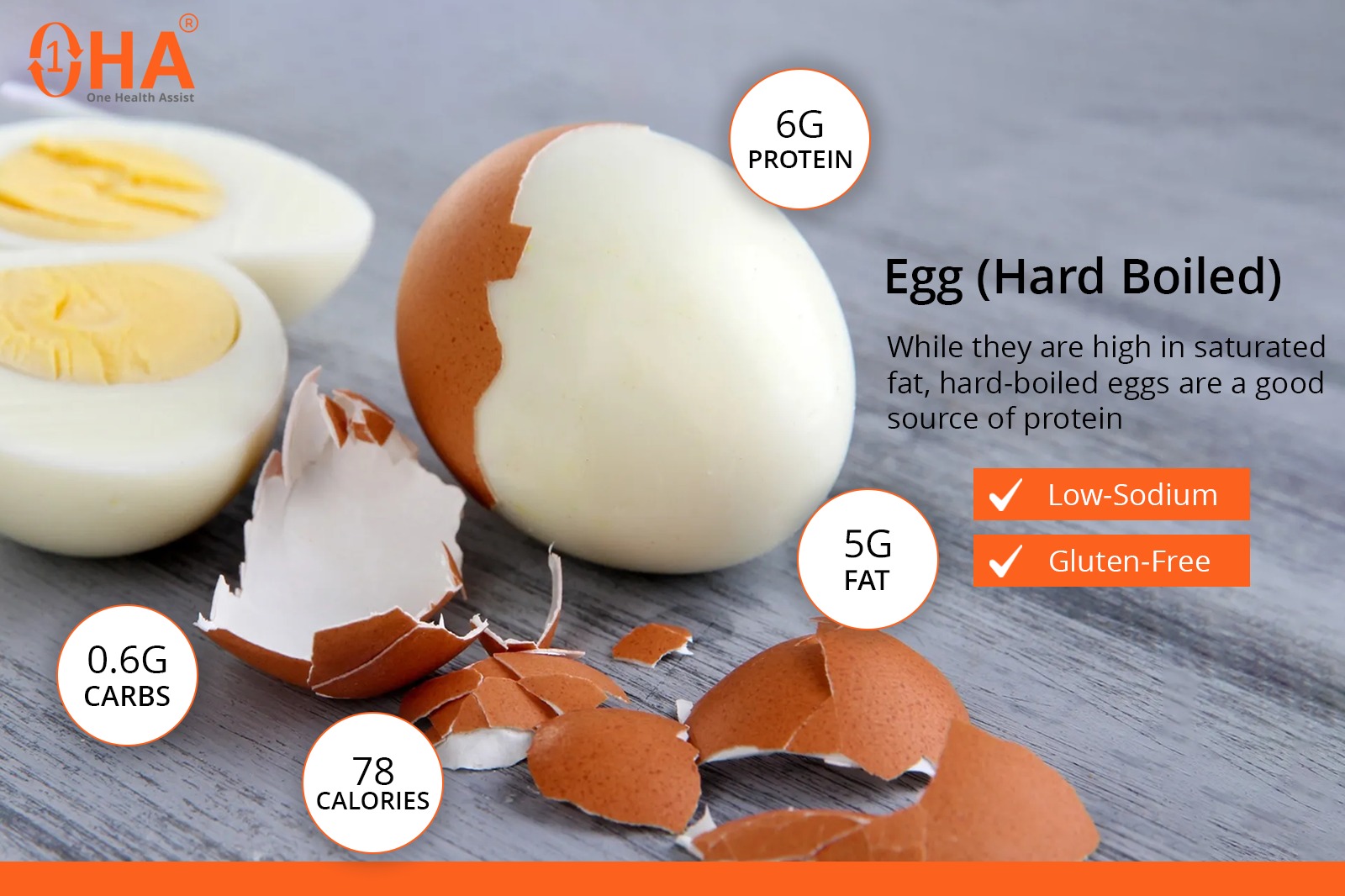
A single large boiled egg contains around 70–75 calories, depending on the egg’s size. Despite being small, it’s packed with high-quality protein and essential nutrients, making it one of the most efficient whole foods you can eat.
Most of the calories come from the yolk, which also holds the majority of the vitamins and healthy fats. The egg white, on the other hand, is almost pure protein with very minimal calories and no fat.
Boiling is one of the best cooking methods because it doesn’t add extra calories from oil or butter, and it preserves most of the egg’s nutritional value. This makes boiled eggs suitable for fat loss, muscle maintenance, and general health.
They’re especially useful:
- As a high-protein breakfast
- As a post-workout recovery food
- For low-calorie snacking during cutting phases
1 Boiled Egg (Large Egg)
| Component | Calories | Protein | Fat | Carbs |
| Whole boiled egg | ~72 kcal | ~6 g | ~5 g | <1 g |
| Egg white only | ~17 kcal | ~3.5 g | 0 g | <0.5 g |
| Egg yolk only | ~55 kcal | ~2.5 g | ~5 g | <0.5 g |
Size-Based Calorie Reference
| Egg Size | Approx Calories |
| Small | ~55–60 kcal |
| Medium | ~63–68 kcal |
| Large | ~70–75 kcal |
| Extra-large | ~80–85 kcal |
Types & Common Concerns of Boiled Eggs
There are two main types of boiled eggs: soft-boiled and hard-boiled.
Soft-boiled eggs have fully set whites but a runny or semi-runny yolk.
- Why people like them: The creamy yolk tastes richer and pairs well with toast, rice, or simple breakfasts.
- Things to consider: They’re best eaten fresh and aren’t ideal for carrying around or storing for days, since the yolk isn’t fully cooked.
Hard-boiled eggs have both the whites and yolk completely cooked.
- Why they’re popular: They’re firm, easy to peel (especially when slightly older eggs are used), and much more practical for meal prep.
- Storage benefit: Hard-boiled eggs can safely last 5–7 days in the refrigerator when kept unpeeled.
From a nutrition standpoint, soft-boiled and hard-boiled eggs are almost identical. The protein, fats, vitamins, and minerals remain largely the same. The real difference comes down to texture, taste, and convenience, not health value.
A common concern is whether longer cooking “kills” nutrients. In reality, boiling causes only minimal nutrient loss, mainly in heat-sensitive vitamins, and eggs remain one of the most nutrient-dense foods even when fully cooked.
For most people, hard-boiled eggs are the better everyday choice because they’re:
- Easier to transport
- Safer to store
Key Characteristics
One boiled egg contains approximately 68-78 calories depending on size, with the yolk accounting for about 55 calories and the white for roughly 17 calories. The yolk is also where most of the vitamins, minerals, and healthy fats live.
Key characteristics that make boiled eggs unique:
- Zero added fats: Unlike fried or scrambled eggs, boiled eggs don’t require oil or butter
- Complete protein source: Contains all nine essential amino acids your body needs
- Highly bioavailable nutrients: Your body can absorb and use the protein and vitamins efficiently
- Portable and shelf-stable: Hard-boiled eggs can last up to a week in the refrigerator
Benefits of Eating Boiled Eggs Daily
1. High-Quality Protein for Muscle Building and Repair
One large boiled egg delivers approximately 6.3 grams of protein, making it one of the most efficient protein sources per calorie. Research shows that egg protein has a biological value of 93.7% meaning your body can utilize almost all of the protein you consume. This is higher than chicken (79%), beef (74%), or even whey protein isolate.
For those wondering about chicken protein content: 100 grams of boiled chicken breast contains roughly 31 grams of protein, while 100 grams of boiled chicken (whole) provides about 27 grams. While chicken offers more total protein per weight, eggs provide more nutrients per calorie and are easier to digest.
2. Supports Healthy Weight Management
With only 68-78 calories per egg, boiled eggs are incredibly satisfying for their calorie count. Studies have shown that people who eat eggs for breakfast consume up to 400 fewer calories throughout the day compared to those eating carb-heavy breakfasts. The combination of protein and healthy fats keeps you fuller longer, reducing unnecessary snacking.
3. Brain Health and Cognitive Function
Egg yolks are one of the richest dietary sources of choline, a nutrient essential for brain development and memory. One large egg provides about 147 milligrams of choline—nearly 27% of the recommended daily intake for adults. According to nutritional surveys, over 90% of Americans don’t get enough choline in their diet.
4. Eye Health Protection
The yolk contains powerful antioxidants called lutein and zeaxanthin, which accumulate in the retina and protect against age-related macular degeneration and cataracts. Research indicates that consuming one egg daily can increase blood levels of these antioxidants by 26-50% without raising LDL cholesterol.
5. Bone Strength and Vitamin D
One boiled egg provides approximately 6% of your daily vitamin D requirement—one of the few natural food sources of this crucial nutrient. Vitamin D helps your body absorb calcium efficiently, supporting bone density and reducing fracture risk as you age.
6. Affordable Complete Nutrition
At less than 20-30 rupees per egg in most Indian markets, boiled eggs offer unbeatable nutritional value for money. They contain vitamins A, E, B12, B6, iron, zinc, selenium, and more all in a 78-calorie package. Few foods deliver this nutrient density at such a low cost.
7. Heart Health (When Eaten in Moderation)
Despite decades of cholesterol concerns, recent research shows that moderate egg consumption (1-2 eggs daily) doesn’t increase heart disease risk in healthy individuals. The saturated fat in eggs is minimal (1.6 grams per egg), and they contain omega-3 fatty acids that actually support cardiovascular health.
Chicken Protein vs Egg Calories
Searches like “how much protein in 100 gm chicken” keep popping up for a reason. Chicken and eggs are the two most relied-on protein sources, but they serve different goals.
Protein Density: Chicken Wins
- 100g chicken breast provides ~29–31g protein, depending on cooking method.
- 1 whole boiled egg offers ~6–6.5g protein.
- This means you’d need 4–5 eggs to match the protein of 100g chicken breast.
If your goal is muscle gain or high daily protein targets, chicken is more efficient per serving.
Calorie Efficiency: Eggs Feel Lighter
- 100g chicken breast: ~160–170 calories
- 1 boiled egg: ~70–77 calories
Eggs feel lighter because they’re eaten as units, not weight-based servings. For quick snacks or calorie-controlled meals, eggs are easier to portion without weighing food.
Protein-to-Calorie Ratio
- Chicken delivers more protein per calorie overall, making it superior for cutting and bulking.
- Eggs deliver moderate protein with fats, increasing satiety and micronutrient intake.
In short:
- Chicken = lean, protein-focused
- Eggs = balanced, nutrient-dense
Cooking & Convenience
- Eggs:
- Minimal prep
- No seasoning needed
- Easy to carry
- Great for busy schedules
- Chicken:
- Requires cooking time
- Needs proper storage
- Easier to overcook
- Less portable
This is why eggs dominate breakfasts and snacks, while chicken dominates main meals.
Nutrient Profile Differences
- Eggs contain choline, vitamin D, healthy fats, and fat-soluble vitamins.
- Chicken breast is very low in fat and lacks some micronutrients found in eggs.
Eggs support brain health and hormones, while chicken supports pure muscle repair.
Digestion & Tolerance
- Eggs digest quickly for most people, making them good pre- or post-workout.
- Chicken digests slightly slower, which helps with prolonged fullness but may feel heavy for some.
Cost & Accessibility
- Eggs are usually cheaper per unit and easier to store short-term.
- Chicken is cost-effective per gram of protein, especially in bulk.
Protein & Calories Comparison
| Food (cooked) | Quantity | Calories | Protein | Category |
|---|---|---|---|---|
| Boiled egg (whole) | 1 large | 72–77 | 6–6.5 g | Protein |
| Egg whites | 100 g | 52 | 11 g | Protein |
| Chicken breast (boiled, skinless) | 100 g | 160–165 | 29–31 g | Protein |
| Chicken thigh (boiled, skinless) | 100 g | 180–190 | 24–26 g | Protein |
| Roti (wheat, no oil) | 1 medium (~40g) | ~120 | ~3 g | Carb |
| Dosa (plain, no oil) | 1 medium (~100g) | ~110–120 | ~3–4 g | Carb |
| Dal (cooked, mixed) | 100 g | ~105–116 | ~7–9 g | Mixed |
| Curd (plain, full fat) | 100 g | ~60–70 | ~3.5 g | Dairy |
| Milk (whole) | 500 ml | ~300–310 | ~16 g | Dairy |
| Milk (whole) | 250 ml | ~150–155 | ~8 g | Dairy |
| Peanuts (roasted) | 100 g | ~580–600 | ~25–26 g | Nuts |
| Banana | 2 medium (~240g) | ~210–220 | ~2.5 g | Fruit |
| Oats (rolled, dry) | 100 g | ~380–390 | ~13–17 g | Carb |
- Dal stands out as a solid plant-based protein source (~7–9g per 100g) with moderate calories — great if you’re vegetarian.
- Peanuts are the most calorie-dense item on the list (~580–600 kcal per 100g) but also deliver strong protein (~25–26g), comparable to chicken thigh. Best consumed in smaller portions.
- Oats are surprisingly protein-rich for a grain (~13–17g per 100g dry) and make an excellent high-satiety breakfast.
- Roti and dosa are primarily carb sources with modest protein (~3–4g), so pairing them with dal, egg, or chicken maximises the meal’s protein quality.
- Bananas are almost purely carbs and natural sugars — great for quick energy or pre/post-workout, not a protein source.
Efficiency Snapshot
| Goal | Better Choice |
| Maximum protein intake | Chicken breast |
| Low-effort nutrition | Boiled eggs |
| Muscle bulking | Chicken |
| Quick snacks | Eggs |
| Balanced micronutrients | Eggs |
| Lean cutting diet | Chicken breast |
What Happens When You Don’t Get Enough Protein
Protein deficiency doesn’t always show up dramatically it creeps in slowly through subtle signs that many people ignore. When you consistently under-consume protein (which includes not eating enough eggs, chicken, or other quality sources), your body starts breaking down muscle tissue to meet its amino acid needs.
According to the Indian Council of Medical Research (ICMR), the recommended dietary allowance for protein is 0.8-1 gram per kilogram of body weight for adults. That means a 70 kg person needs approximately 56-70 grams of protein daily. Surprisingly, studies show that nearly 73% of Indians consume inadequate protein, particularly in vegetarian-dominant diets.
The consequences are real:
- Muscle loss and weakness: Your body cannibalizes muscle tissue, slowing your metabolism
- Constant hunger: Protein regulates appetite hormones; without enough, you’ll crave food constantly
- Weak immune system: Antibodies are made of protein low intake means more frequent infections
- Slower recovery: Whether from workouts or illness, healing takes much longer
- Hair loss and brittle nails: Your body prioritizes vital organs over hair and nails when protein is scarce
Research from the National Institute of Nutrition found that protein deficiency is linked to a 34% higher risk of frailty in elderly populations. For athletes and active individuals, inadequate protein can reduce muscle protein synthesis by up to 40%, essentially nullifying your workout efforts.
Breaking Down Boiled Egg Nutrition
Not all eggs are the same size, and this affects both calorie and protein content:
- Small egg (38 grams): ~54 calories, 4.9g protein
- Medium egg (44 grams): ~63 calories, 5.5g protein
- Large egg (50 grams): ~72 calories, 6.3g protein
- Extra-large egg (56 grams): ~80 calories, 7.0g protein
- Jumbo egg (63 grams): ~90 calories, 7.9g protein
The white and yolk contribute differently:
- Egg white only: ~17 calories, 3.6g protein, 0g fat
- Egg yolk only: ~55 calories, 2.7g protein, 4.5g fat
Many fitness enthusiasts eat only egg whites to maximize protein while minimizing calories. While this works for strict cutting phases, you’re missing out on the yolk’s vitamins, minerals, and healthy fats that support hormone production and nutrient absorption.
Boiled Egg vs. Other Preparations: The Calorie Truth
How you cook an egg dramatically changes its nutritional value:
- 1 boiled egg: 72 calories, 6.3g protein, 5g fat
- 1 fried egg (with 1 tsp oil): 105-120 calories, 6.3g protein, 8-9g fat
- 1 scrambled egg (with butter/milk): 95-110 calories, 6.3g protein, 7-8g fat
- 1 poached egg: 71 calories, 6.3g protein, 5g fat
The protein content remains constant, but added fats from cooking oils or butter increase the calorie count by 30-50%. For those tracking macros or trying to lose weight, boiled or poached eggs are your best bet.
How Much Protein in 100 gm Chicken vs. Eggs?
It’s a common comparison: chicken or eggs for protein? Let’s break it down:
100 gm boiled chicken breast contains:
- Calories: ~165
- Protein: ~31 grams
- Fat: ~3.6 grams
- Protein per calorie ratio: 0.19
100 gm boiled eggs (approximately 2 large eggs) contains:
- Calories: ~155
- Protein: ~13 grams
- Fat: ~11 grams
- Protein per calorie ratio: 0.08
Chicken delivers more than twice the protein per weight, making it ideal for serious muscle building. However, eggs provide more vitamins (A, E, D, B12), minerals (selenium, iron), and choline making them superior for overall nutrition. Many nutritionists recommend combining both: chicken for high protein meals, eggs for nutrient-dense breakfasts or snacks.
If you’re vegetarian or prefer eggs, you’d need to eat approximately 5 large boiled eggs to match the protein in 100 gm chicken breast protein but you’d also consume more calories and fat.
What Most People Get Wrong About Eggs
You don’t need to fear the yolk
Unless your doctor specifically recommends limiting cholesterol due to a medical condition, eating 1-2 whole eggs daily is perfectly safe. The cholesterol in eggs has minimal impact on blood cholesterol for most people.
1. Brown eggs aren’t healthier than white eggs
The shell color depends on the hen’s breed nutritionally, they’re identical. Save your money and buy whatever’s cheaper.
2. “Omega-3 enriched” eggs are worth it
These eggs come from hens fed flaxseed or fish oil, boosting the omega-3 content significantly. If you don’t eat fish regularly, this upgrade makes sense.
3. Older eggs are easier to peel
If you’re boiling eggs for meal prep, use eggs that are at least 7-10 days old. Fresher eggs have a lower pH, making the membrane stick to the shell more stubbornly.
Room temperature eggs cook more evenly: Take eggs out of the fridge 15-20 minutes before boiling. This prevents cracking and ensures the yolk centers properly.
Boiled Eggs — Pros
Low calorie, high nutrition
- What: One large boiled egg is roughly 72 calories with about 6 grams of high-quality protein.
- Why it matters: You get a good protein-to-calorie ratio, which helps muscle repair and satiety without blowing your calorie budget.
- Practical tip: Use them in meal prep to keep snacks satisfying and calorie-controlled.
Complete amino acid profile
- What: Eggs contain all nine essential amino acids your body can’t make.
- Why it matters: Complete proteins are more efficient for muscle maintenance and recovery than incomplete protein sources.
- Practical tip: Combine with carbs after a workout for better recovery.
No added fats
- What: Boiling needs no oil, unlike frying or scrambling.
- Why it matters: Keeps saturated fat and extra calories down while preserving protein quality.
- Practical tip: Add flavor with spices, a dash of hot sauce, or a sprinkling of herbs instead of butter or oil.
Portable and convenient
- What: Easy to cook in batches and grab on the go.
- Why it matters: Makes healthy snacking and consistent protein intake much simpler.
- Practical tip: Keep a few peeled in the fridge for quick post-workout or commute snacks.
Budget-friendly
- What: One of the cheapest complete protein sources per serving.
- Why it matters: Affordable nutrition makes it easier to stick to diet goals long-term.
- Practical tip: Buy in larger cartons when on sale and boil a week’s worth.
Variety
- What: Works in salads, sandwiches, as a snack, or mashed into spreads.
- Why it matters: Variety reduces boredom and helps you include eggs in different meals.
- Practical tip: Make deviled eggs with yogurt instead of mayo for a lighter option.
Long shelf life (when refrigerated)
- What: Hard-boiled eggs keep about 5–7 days in the fridge.
- Why it matters: Good for batch cooking and reduces food waste.
- Practical tip: Store unpeeled to keep them fresher longer; peel just before eating.
Rich in key micronutrients
- What: Eggs provide choline, vitamin D, selenium, and eye-protective compounds like lutein.
- Why it matters: These nutrients support brain health, immune function, and eye health.
- Practical tip: Include eggs a few times a week to help meet micronutrient needs that are otherwise harder to get.
Boiled Eggs — Cons
Cholesterol concerns for some
- What: Eggs are relatively high in dietary cholesterol.
- Why it matters: People with familial hypercholesterolemia or certain lipid issues may need to limit egg yolks.
- Mitigation: Use more egg whites or consult your doctor for personalized guidance.
Allergy potential
- What: Egg allergy is common in children, though many outgrow it.
- Why it matters: Allergic reactions can range from mild to severe.
- Mitigation: If you suspect an allergy, get tested and avoid eggs until cleared.
Can get boring
- What: Eating the same food daily can become monotonous.
- Why it matters: Boredom reduces adherence to healthy eating plans.
- Practical tip: Rotate seasonings, make egg salads, or use eggs in different cuisines to keep interest up.
Sulfur smell if overcooked
- What: Overcooking produces a greenish ring and a sulfur odor.
- Why it matters: The smell and texture can be unappealing, even though it’s still edible.
- Practical tip: Use a gentle boil and cool eggs quickly in an ice bath to avoid the smell and preserve texture.
Not suitable for strict vegans
- What: Eggs are animal products.
- Why it matters: Vegans and some dietary patterns exclude them entirely.
- Mitigation: Use plant-based protein alternatives where needed.
Digestive issues for some
- What: A minority of people experience bloating or gas after eggs.
- Why it matters: Discomfort can limit usefulness as an everyday food for those individuals.
- Mitigation: Try smaller portions, different cooking methods, or an elimination trial to confirm.
Food-safety risk if undercooked (added detail)
- What: Raw or undercooked eggs carry a small risk of Salmonella.
- Why it matters: Foodborne illness can be serious for infants, older adults, pregnant people, and immunocompromised individuals.
- Practical tip: Use fully cooked hard-boiled eggs for vulnerable groups and follow safe storage practices.
People Also Ask
How many calories in 1 boiled egg white only?
One large boiled egg white contains approximately 17 calories with 3.6 grams of protein and zero fat. It’s an excellent option for those strictly limiting calories or fat intake.
Is it okay to eat 2 boiled eggs every day?
Yes, for most healthy adults, eating 2 boiled eggs daily is perfectly safe and beneficial. This provides about 12-14 grams of protein and only 140-150 calories while delivering essential vitamins and minerals.
Do boiled eggs help in weight loss?
Absolutely. Boiled eggs are high in protein and low in calories, which increases satiety and reduces overall calorie intake throughout the day. Studies show egg-based breakfasts can help people lose 65% more weight compared to bagel-based breakfasts with the same calories.
How much protein is in 100 gm chicken compared to eggs?
100 gm of boiled chicken breast contains approximately 31 grams of protein, while 100 gm of boiled eggs (about 2 large eggs) contains roughly 13 grams. Chicken offers more than double the protein per weight.
Can I eat boiled eggs if I have high cholesterol?
For most people, dietary cholesterol from eggs has minimal impact on blood cholesterol levels. However, if you have familial hypercholesterolemia or your doctor has specifically advised limiting cholesterol, consult them before making eggs a daily habit.
What’s better for muscle building: chicken or eggs?
Chicken breast delivers more protein per serving (31g per 100g vs 13g per 100g for eggs), making it superior for pure muscle building. However, eggs offer more diverse nutrients and are excellent for overall health and recovery.
Frequently Asked Questions
Can diabetics eat boiled eggs daily?
Yes, boiled eggs are actually beneficial for diabetics. They have a very low glycemic index (essentially zero) and won’t spike blood sugar. The protein and healthy fats help stabilize blood sugar levels throughout the day.
How long do hard-boiled eggs last in the refrigerator?
Hard-boiled eggs can be stored in the refrigerator for up to 7 days if kept in their shells. Once peeled, consume them within 5 days for best quality and safety.
What’s the best time to eat boiled eggs for protein absorption?
Your body absorbs egg protein efficiently any time of day. However, eating them for breakfast helps control appetite throughout the day, while consuming them post-workout (within 2 hours) optimally supports muscle recovery.
Are organic or free-range eggs more nutritious than regular eggs?
Free-range and organic eggs typically contain 2-3 times more omega-3 fatty acids and 25% more vitamin E than conventional eggs. If budget allows, they’re worth the upgrade, but regular eggs are still highly nutritious.
Can I eat boiled eggs during pregnancy?
Yes, fully cooked boiled eggs are safe and beneficial during pregnancy. They provide choline, which is crucial for fetal brain development. Pregnant women should aim for at least 450 mg of choline daily; two eggs provide about 294 mg.
Why do I feel bloated after eating eggs?
Some people have egg intolerance (different from allergy), which can cause bloating, gas, or digestive discomfort. If this happens consistently, try eating just the whites or consult a healthcare provider to rule out allergies.
DISCLAIMER: THIS WEBSITE DOES NOT PROVIDE MEDICAL ADVICE
The information, including but not limited to, text, graphics, images and other material contained on this website are for informational purposes only. No material on this site is intended to be a substitute for professional medical advice, diagnosis or treatment. Always seek the advice of your physician or other qualified health care provider with any questions you may have regarding a medical condition or treatment and before undertaking a new health care regimen, and never disregard professional medical advice or delay in seeking it because of something you have read on this website.