
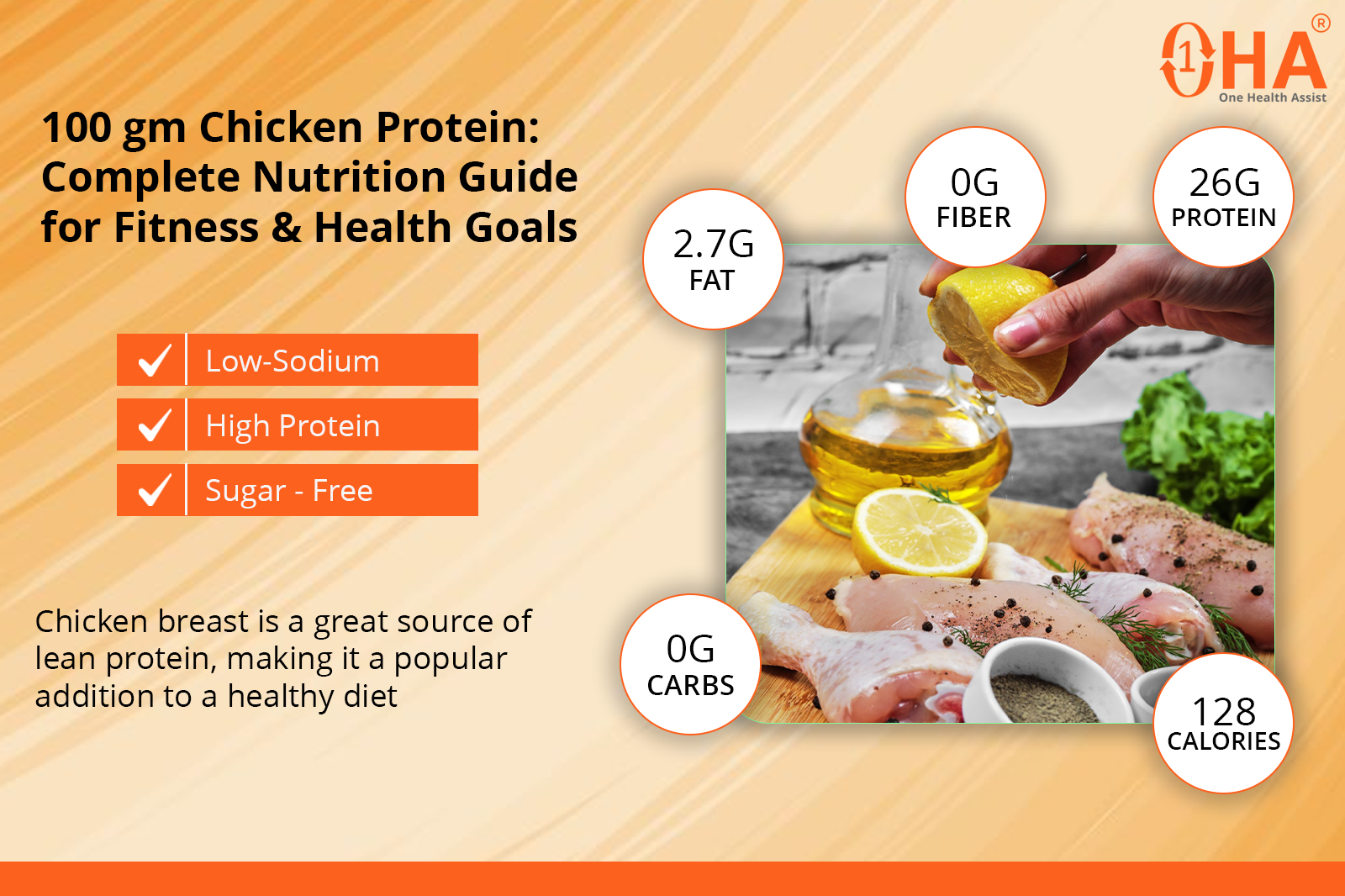
Chicken isn’t just popular because it tastes good it’s a nutritional powerhouse that fits almost every dietary approach. Whether you’re into bodybuilding, keto, or just trying to eat healthier, chicken delivers quality protein with minimal baggage.
Table of Contents
-
Understanding Chicken Protein Content: Raw vs Cooked
-
Protein Breakdown by Chicken Cut
-
Why Chicken is a Complete Protein Powerhouse
-
7 Science-Backed Benefits of 100 Gm Chicken Protein
-
The Hidden Cost of Inadequate Protein Intake
-
How Cooking Methods Impact Chicken Protein Content
-
Pro Insights: Maximizing Chicken Protein Benefits
-
Chicken Protein vs Other Sources: Comparison
What is 100gm Chicken Protein
One hundred grams of cooked chicken breast is a tiny package with a big job: roughly 31 grams of high-quality protein and about 165 calories. That simple number explains why chicken is a go-to for anyone who wants to build muscle, lose fat, or just eat smarter without fuss. It’s cheap, easy to cook, and flexible enough to fit into breakfasts, lunches, and late-night meals.
Whether you’re a gym person, a busy parent, or someone trying to eat cleaner, understanding what 100 grams of chicken gives you will make your meals work harder for you.
What is Chicken Protein
Chicken is one of the most popular protein sources in everyday diets, and for good reason. It’s affordable, easy to cook, and fits almost every fitness or health goal. Whether someone is trying to build muscle, lose weight, or simply eat better, chicken often ends up on the plate.
Different Types of Chicken Cuts and Their Protein Content
Chicken Breast (Skinless): 100 gm of cooked chicken breast contains approximately 31 grams of protein the highest among all cuts. It’s lean, low in fat (around 3.6 grams), and packs only about 165 calories. This is why bodybuilders and athletes swear by it.
Chicken Thigh: Juicier and more flavorful, but with slightly less protein. 100 gm of cooked chicken thigh offers about 26 grams of protein with 10 grams of fat and roughly 209 calories. It’s perfect if you’re not cutting aggressively and want something that doesn’t dry out easily.
Chicken Drumstick: The budget-friendly option. You’re looking at around 28 grams of protein per 100 gm, with 11 grams of fat and about 200 calories. Great for family meals and still protein-dense.
Whole Chicken with Skin: If you leave the skin on, the fat content shoots up dramatically—up to 15-20 grams per 100 gm but protein stays around 25-27 grams. The calorie count can reach 250+ per 100 gm.
The Core Problem Most People Face
Here’s where things get tricky: raw chicken loses about 25% of its weight when cooked due to water loss. That means if you buy 100 gm of raw chicken breast, you’re actually getting about 75 gm after cooking. This throws off your macro calculations completely if you’re tracking raw weights. Studies show that over 60% of people tracking their food intake miscalculate their protein consumption because they don’t account for cooking losses.
Preparation method matters more than you think. Boiling, grilling, frying, or baking each method affects not just the protein availability but also the fat content and overall nutritional profile.
Key Characteristics of High-Quality Chicken Protein
Complete Amino Acid Profile
Chicken contains all nine essential amino acids that your body cannot produce on its own. These amino acids support muscle repair, hormone production, enzyme activity, and immune function. This is why chicken works well as a standalone protein source without needing food combinations, unlike many plant-based options.
High Biological Value
With a biological value of around 79, chicken protein is efficiently digested, absorbed, and used by the body. This means more of the protein you eat actually contributes to muscle maintenance and recovery instead of being wasted or burned for energy.
Low in Saturated Fat
Especially in skinless breast meat, chicken provides a high protein-to-fat ratio with minimal saturated fat. This helps support heart health while still supplying enough protein for muscle growth, making it suitable for long-term daily consumption.
Rich in B Vitamins
Chicken is a strong source of niacin (vitamin B3) and vitamin B6, both essential for converting food into usable energy. These vitamins also support brain function and help reduce fatigue, which is particularly useful for physically active individuals and people with demanding work schedules.
Selenium and Phosphorus
Chicken supplies selenium, a powerful antioxidant mineral that supports immune defense and thyroid function, and phosphorus, which plays a key role in bone strength and cellular repair. Together, these minerals help maintain overall metabolic and skeletal health.
Benefits of 100 gm Chicken Protein
1. Accelerates Muscle Growth and Recovery
When you consume 100 gm of chicken breast (roughly 31 grams of protein), you’re hitting a significant portion of your daily protein needs. Research suggests that athletes need about 1.6-2.2 grams of protein per kilogram of body weight. For a 70 kg individual, that’s 112-154 grams daily. Just one serving of chicken breast provides 20-28% of that requirement. The leucine content an amino acid that triggers muscle protein synthesis is particularly high in chicken, making it ideal post-workout.
2. Supports Sustainable Weight Loss Without Hunger
Protein has the highest thermic effect of all macronutrients, meaning your body burns more calories digesting it. Studies show that protein can increase metabolic rate by 15-30% compared to 5-10% for carbs and 0-3% for fats. A 100 gm serving of chicken breast keeps you full for hours because protein triggers the release of satiety hormones like peptide YY. People who increase their protein intake to 30% of total calories consume up to 441 fewer calories per day without consciously restricting.
3. Preserves Muscle Mass During Calorie Deficits
When you’re cutting calories to lose fat, your body doesn’t just burn fat—it can also break down muscle for energy. High protein intake from sources like chicken helps prevent this. Research indicates that consuming adequate protein (around 2.3-3.1 g/kg of lean body mass) during weight loss can preserve up to 95% of your muscle mass, compared to only 80% with lower protein intake.
4. Improves Bone Density and Strength
Contrary to old myths, protein doesn’t weaken bones—it strengthens them. A 100 gm serving of chicken provides about 20-25 mg of phosphorus (roughly 3% of your daily needs) and decent amounts of protein, both essential for bone health. Studies show that older adults with higher protein intake have better bone mineral density and significantly reduced risk of fractures up to 37% lower hip fracture risk.
5. Boosts Immune Function and Disease Recovery
Chicken is rich in selenium (about 30 mcg per 100 gm, covering 45% of daily needs) and zinc, both critical for immune health. The amino acids in chicken protein help produce antibodies and immune cells. During illness or injury, protein requirements increase by 1.5-2x normal levels. Chicken soup isn’t just comfort food—the protein and nutrients genuinely support faster recovery.
6. Supports Healthy Blood Sugar Regulation
Unlike carbohydrate-heavy meals, a 100 gm chicken breast causes minimal insulin spikes. The protein slows down glucose absorption, preventing blood sugar crashes. Studies with type 2 diabetics show that replacing carbs with lean protein like chicken can improve glycemic control by up to 40% and reduce HbA1c levels significantly over 12 weeks.
7. Enhances Brain Function and Mental Clarity
Chicken is loaded with vitamin B3 (niacin) about 11 mg per 100 gm, covering 70% of daily needs. Niacin supports brain cell function and neurotransmitter production. The vitamin B6 content (about 0.6 mg per 100 gm) helps produce serotonin and dopamine, improving mood and cognitive function. Research links adequate B vitamin intake with 30% reduced risk of cognitive decline in older adults.
What are Consequences of Not Enough Protein
Muscle Wasting and Metabolic Slowdown:
Without sufficient protein, your body enters a catabolic state, breaking down muscle tissue for amino acids. Research shows that adults over 50 lose 1-2% of muscle mass annually without adequate protein intake. This sarcopenia reduces your resting metabolic rate by approximately 50-70 calories per kilogram of lost muscle, making weight management progressively harder.
Compromised Immune System:
Protein deficiency reduces antibody production and weakens cellular immunity. Studies reveal that individuals with protein intake below 0.8 g/kg body weight experience 45% more infections and longer recovery times compared to those meeting protein recommendations.
How Cooking Methods Affect 100 gm Chicken Protein Content
Boiled Chicken:
When you boil 100 gm of chicken breast, you lose minimal nutrients. The protein content remains around 30-31 grams, fat stays low at 3-4 grams, and calories hover around 165. Boiling is the cleanest method if you’re strictly tracking macros. However, some water-soluble B vitamins (roughly 10-15%) leach into the water.
Grilled Chicken:
Grilling at moderate temperatures preserves protein well you’ll still get about 30 grams from 100 gm. The slight char adds flavor without many extra calories (maybe 5-10 more). Be careful with high-heat grilling as it can create heterocyclic amines (HCAs), potentially harmful compounds. Keep temperatures below 165°C when possible.
Pan-Fried Chicken:
Using minimal oil, pan-fried chicken maintains its protein but adds 40-100 extra calories depending on oil absorption. The protein remains around 28-30 grams per 100 gm, but fat content increases to 8-12 grams.
Oven-Baked Chicken:
Baking at 180-200°C is a sweet spot—protein retention is excellent (30-31 grams per 100 gm), minimal fat addition, and you can season creatively. Calories stay around 165-180 for skinless breast.
Deep-Fried Chicken:
The protein content actually drops slightly to 25-27 grams per 100 gm because the breading and oil add weight without protein. Total calories can exceed 280-300 per 100 gm. Studies show that deep-fried foods increase cardiovascular disease risk by 28% when consumed regularly.
Air-Fried Chicken:
The modern solution you get crispy texture with just 70-75% less oil than deep frying. Protein stays high (29-30 grams per 100 gm), calories remain under 200, and you avoid the harmful compounds from deep frying.
Marinating and Protein Absorption
Marinating chicken in acidic ingredients like lemon juice, yogurt, or vinegar for 2–4 hours can improve protein digestibility by up to 7%. This happens because mild acids partially break down complex protein structures, making amino acids easier for your body to absorb during digestion.
How marination helps
-
Protein pre-digestion effect
Acidic marinades start breaking peptide bonds before cooking. Think of it as doing some digestion work outside the body, so your stomach and intestines have less strain later. -
Improved enzyme access
When protein fibers loosen, digestive enzymes like pepsin and trypsin can access them more efficiently, leading to better amino acid uptake. -
Reduced cooking toughness
Marination softens muscle fibers. Softer meat isn’t just tastier, it’s also easier to digest, especially for people with sensitive digestion. -
Yogurt advantage
Yogurt-based marinades add beneficial bacteria and calcium, which further support digestion and muscle function.
Personalized Experience by Age Group & Gender
1. Teenagers (13–19 years | Boys & Girls)
At this age, the body is growing fast and needs efficient protein absorption.
Marinated chicken is easier to chew and digest, which helps teenagers who train, play sports, or have irregular eating habits. Boys often notice better muscle recovery, while girls experience less bloating compared to heavily spiced, non-marinated chicken.
2. Young Adults (20–35 years | Men & Women)
This group usually focuses on fitness, fat loss, or muscle building.
Marinated chicken feels lighter on the stomach post-workout and reduces heaviness during high-protein diets. Men report better satiety without digestive discomfort, while women often find yogurt-marinated chicken easier during hormonal fluctuations.
3. Middle Age (36–55 years | Men & Women)
Digestive efficiency naturally starts slowing here.
Marinated chicken helps reduce acidity, gas, and post-meal fatigue. Men dealing with work stress find it easier to digest at night, while women notice better protein tolerance without feeling overly full.
4. Older Adults (56+ years | Men & Women)
Protein absorption becomes less efficient due to lower stomach acid and enzyme activity.
Soft, marinated chicken reduces chewing effort and supports muscle maintenance. Both men and women benefit from improved digestion, especially when appetite is low or meals are smaller.
Maximizing Chicken Protein Benefits
Meal timing matters
Instead of eating all your chicken in one large meal, spread your intake across 3–4 meals during the day. Muscle protein synthesis tends to peak around 25–30 g of protein per meal. Beyond this, extra protein is more likely to be used for energy rather than muscle repair or growth. This approach is especially useful for people training regularly or trying to maintain muscle while losing fat.
Combine with vitamin C
Chicken contains iron, but not in the highly absorbable heme form found in red meat. Pairing chicken with vitamin C–rich foods like bell peppers, tomatoes, or lemon juice can boost iron absorption by up to 300%. This small tweak helps prevent fatigue and supports oxygen delivery, particularly useful for women and endurance-focused individuals.
Don’t fear chicken thighs
Chicken breast dominates fitness culture, but thighs deserve more respect. Thigh meat retains moisture better, tastes richer, and contains healthy unsaturated fats that support hormone balance. While thighs have 6–7 g less protein per 100 g, the difference becomes irrelevant if portion size is adjusted slightly. Plus, thighs are often 30–40% cheaper, making them a smart choice for long-term consistency.
Skin removal timing matters
Removing the skin before cooking reduces overall fat more effectively because melted fat won’t seep into the meat. However, cooking chicken with the skin on and removing it before eating helps lock in moisture and prevents dryness, especially when grilling or roasting. Choose the method based on whether taste or calorie control is your priority.
Cold storage strategy
Proper storage preserves both safety and protein quality. Cooked chicken stays optimal for 3–4 days in the refrigerator or 2–3 months in the freezer. Prepping 200–250 g portions ahead of time makes hitting daily protein targets effortless, reduces reliance on processed foods, and removes the stress of daily cooking.
What Fitness Experts Won’t Tell You
Insight 1: The “chicken and rice” meal prep cliché works because it’s mathematically efficient. A 200 gm chicken breast (62 grams protein) + 150 gm cooked rice (5 grams protein) gives you 67 grams of protein in one meal half your daily needs if you weigh 60-70 kg—for under 500 calories.
Insight 2: Eating chicken with vitamin C-rich foods (bell peppers, tomatoes, broccoli) increases iron absorption from the chicken by up to 300%. Chicken contains non-heme iron, which needs vitamin C to be effectively absorbed.
Insight 3: Your body can only process about 25-35 grams of protein per meal for muscle synthesis. Eating 200 gm of chicken breast (62 grams protein) in one sitting doesn’t give you double the benefits the excess gets converted to energy or stored as fat. Spread your protein intake across 3-4 meals for maximum utilization.
Insight 4: Organic or free-range chicken contains about 5-7% more omega-3 fatty acids compared to conventionally raised chicken, though the absolute amount is still relatively low. The protein content remains essentially identical.
Insight 5: Reheating chicken properly matters. Microwaving protein-rich foods at high power can reduce protein digestibility by 7-10%. Reheat at 50-70% power for better results.
Chicken Protein vs Other Sources
Chicken vs Paneer (Per 100g Cooked)
Chicken breast delivers ~31g protein with ~165 calories, while paneer provides ~20g protein with 265–320 calories. Chicken offers around 55% more protein per calorie, making it better for weight management and lean muscle goals. Paneer, however, supplies calcium and fits vegetarian diets.
Chicken vs Egg Whites
Six egg whites (around 200g) provide ~22g protein with ~104 calories. They are very lean but require a larger volume to match chicken’s protein. Chicken offers better satiety and provides B-vitamins and minerals missing from egg whites.
Chicken vs Lentils
100g cooked lentils deliver ~9g protein with ~116 calories and must be combined with grains to form a complete protein. Chicken provides about 3.4× more protein with higher bioavailability. Lentils contribute fiber and plant nutrients chicken cannot.
Chicken vs Fish (Salmon)
Both are complete proteins. Salmon offers omega-3 fatty acids (EPA and DHA), which chicken lacks. Chicken is more affordable and delivers similar protein density (salmon provides ~25–27g protein per 100g cooked).
Chicken vs Whey Protein
Whey provides fast-absorbing protein (20–25g per scoop) with very low calories, ideal post-workout. Chicken digests slower, keeps you full longer, and delivers whole-food micronutrients, making it better for meals.
Chicken vs Tofu
100g firm tofu provides ~8–12g protein with ~120 calories and contains plant-based compounds like isoflavones. Chicken delivers nearly 3× more protein per serving and a complete amino acid profile, while tofu suits vegan diets and digestion-sensitive individuals.
Chicken vs Soybeans
Cooked soybeans provide ~16g protein per 100g with ~170 calories and are one of the few complete plant proteins. Chicken still offers higher protein density and better absorption, while soybeans add fiber, healthy fats, and plant antioxidants.
Protein & Calories Comparison
| Food (cooked) | Quantity | Calories | Protein | Category |
|---|---|---|---|---|
| Boiled egg (whole) | 1 large | 72–77 | 6–6.5 g | Protein |
| Egg whites | 100 g | 52 | 11 g | Protein |
| Chicken breast (boiled, skinless) | 100 g | 160–165 | 29–31 g | Protein |
| Chicken thigh (boiled, skinless) | 100 g | 180–190 | 24–26 g | Protein |
| Roti (wheat, no oil) | 1 medium (~40g) | ~120 | ~3 g | Carb |
| Dosa (plain, no oil) | 1 medium (~100g) | ~110–120 | ~3–4 g | Carb |
| Dal (cooked, mixed) | 100 g | ~105–116 | ~7–9 g | Mixed |
| Curd (plain, full fat) | 100 g | ~60–70 | ~3.5 g | Dairy |
| Milk (whole) | 500 ml | ~300–310 | ~16 g | Dairy |
| Milk (whole) | 250 ml | ~150–155 | ~8 g | Dairy |
| Peanuts (roasted) | 100 g | ~580–600 | ~25–26 g | Nuts |
| Banana | 2 medium (~240g) | ~210–220 | ~2.5 g | Fruit |
| Oats (rolled, dry) | 100 g | ~380–390 | ~13–17 g | Carb |
Pros and Cons of Relying on Chicken
Pros:
High Protein Density: With 31 grams per 100 gm in breast meat, it’s among the most efficient protein sources. You’d need to eat 180 gm of quinoa to match the protein in just 100 gm of chicken breast.
Budget-Friendly: Chicken is significantly cheaper than beef, fish, or specialty protein sources. In most markets, chicken breast costs 40-60% less per gram of protein compared to salmon or grass-fed beef.
Multiple and Easy to Prepare: From 10-minute stir-fries to slow-cooked curries, chicken adapts to almost any cuisine. This variety helps with diet adherence—the number one factor determining long-term success.
Low in Saturated Fat: Especially skinless breast, making it heart-healthy. Studies show that replacing red meat with chicken reduces cardiovascular disease risk by 19%.
Complete Amino Acid Profile: Unlike many plant proteins that lack certain amino acids, chicken provides everything your body needs for optimal protein synthesis.
Cons:
Risk of Contamination: Raw chicken can harbor Salmonella or Campylobacter. Food safety data shows that 15-20% of retail chicken tests positive for harmful bacteria. Always cook to 75°C internal temperature.
Can Be Dry and Boring: Overcooking chicken breast makes it tough and unpalatable, leading people to add high-calorie sauces that defeat the purpose of eating lean protein.
Environmental Concerns: Industrial chicken farming has a significant environmental footprint. While chicken has a lower carbon footprint than beef (6.9 kg CO2 per kg vs 27 kg CO2 for beef), it’s still higher than plant proteins.
Potential for Antibiotic Residues: In some regions, chicken farming relies heavily on antibiotics, raising concerns about antibiotic resistance. Option for antibiotic-free options when possible.
Monotony Can Lead to Diet Fatigue: Eating chicken every day can become boring, potentially causing people to abandon their nutrition plans altogether. Variety is crucial for long-term adherence.
People Also Ask
How much protein is in 100 gm of raw chicken breast vs cooked?
Raw chicken breast contains about 23-24 grams of protein per 100 gm, while the same piece cooked weighs roughly 75 gm and contains 31 grams of protein per 100 gm. This concentration happens because cooking evaporates water. Always track based on cooked weight for accuracy in meal planning and macro counting.
Is boiled chicken better than grilled for protein content?
Both boiled and grilled chicken provide similar protein content around 30-31 grams per 100 gm. The difference lies in flavor and preparation. Boiling is cleaner with zero added calories, while grilling adds taste through the Maillard reaction. Choose based on preference, as protein retention is nearly identical in both methods when done properly.
How much chicken should I eat daily for muscle building?
For optimal muscle growth, aim for 1.6-2.2 grams of protein per kilogram of body weight. If you weigh 70 kg, that’s 112-154 grams of protein daily. To get this entirely from chicken breast, you’d need 360-500 grams of cooked chicken. Most people split this across multiple protein sources for variety and better nutrient distribution.
Does chicken thigh have more protein than chicken breast?
No, chicken breast has more protein. A 100 gm serving of cooked chicken breast contains about 31 grams of protein, while chicken thigh provides approximately 26 grams. However, thigh meat has more fat (10 grams vs 3.6 grams) and slightly more calories, making it juicier but less lean than breast meat.
Can you get enough protein from 100 gm of chicken per day?
No, 100 gm of chicken breast (31 grams of protein) covers only about 20-30% of daily protein needs for most adults. The recommended dietary allowance is 0.8 g/kg body weight (minimum for non-athletes), which means a 70 kg person needs at least 56 grams daily. Active individuals need significantly more ideally 1.6-2.2 g/kg body weight.
What’s the best time to eat chicken for maximum protein absorption?
Protein absorption isn’t significantly time-dependent, but eating chicken within 2 hours post-workout optimizes muscle protein synthesis. Your body can effectively process 25-35 grams of protein per meal, so spreading chicken consumption across 3-4 meals throughout the day is more beneficial than eating large amounts in one sitting.
Frequently Asked Questions
Does freezing chicken affect its protein content?
Freezing chicken does not significantly affect protein content. The protein remains stable at around 31 grams per 100 gm of breast meat. However, repeated freezing and thawing can affect texture and moisture content, potentially leading to tougher meat when cooked. For best results, freeze chicken once and thaw it properly in the refrigerator overnight.
Is white meat chicken healthier than dark meat?
White meat (breast) is leaner with less fat and slightly more protein per 100 gm (31g vs 26g), making it better for strict calorie control. Dark meat (thigh, drumstick) contains more iron, zinc, and B vitamins due to higher fat content. Both are healthy choices—select based on your specific macro targets and nutritional goals.
How does organic chicken compare to regular chicken in protein?
Protein content remains virtually identical between organic and conventionally raised chicken—both provide approximately 31 grams per 100 gm of breast meat. The main differences lie in farming practices, antibiotic use, and potentially higher omega-3 content in organic varieties (5-7% more), but protein quantity stays consistent across both types.
Can I eat chicken every day without health risks?
Yes, eating chicken daily is generally safe and healthy when part of a balanced diet. Studies show no adverse health effects from consuming chicken as a primary protein source. However, ensure variety by including fish, legumes, and other proteins 2-3 times weekly for diverse nutrients. Always practice food safety and cook chicken to 75°C internal temperature.
How long can cooked chicken stay fresh in the fridge?
Cooked chicken stays safe for 3-4 days when stored at 4°C or below in an airtight container. The protein content remains stable during this period. For longer storage, freeze cooked chicken for up to 4 months. Always smell and visually inspect before consuming discard if there’s any off odor or slimy texture regardless of storage time.
Does chicken protein help with weight loss?
Yes, chicken protein significantly aids weight loss. It has a high thermic effect (burning 20-30% of calories during digestion), increases satiety hormones, and preserves muscle mass during calorie deficits. Studies show high-protein diets lead to 25% greater fat loss compared to lower-protein diets while maintaining more lean muscle tissue throughout the weight loss process.
DISCLAIMER: THIS WEBSITE DOES NOT PROVIDE MEDICAL ADVICE
The information, including but not limited to, text, graphics, images and other material contained on this website are for informational purposes only. No material on this site is intended to be a substitute for professional medical advice, diagnosis or treatment. Always seek the advice of your physician or other qualified health care provider with any questions you may have regarding a medical condition or treatment and before undertaking a new health care regimen, and never disregard professional medical advice or delay in seeking it because of something you have read on this website.