
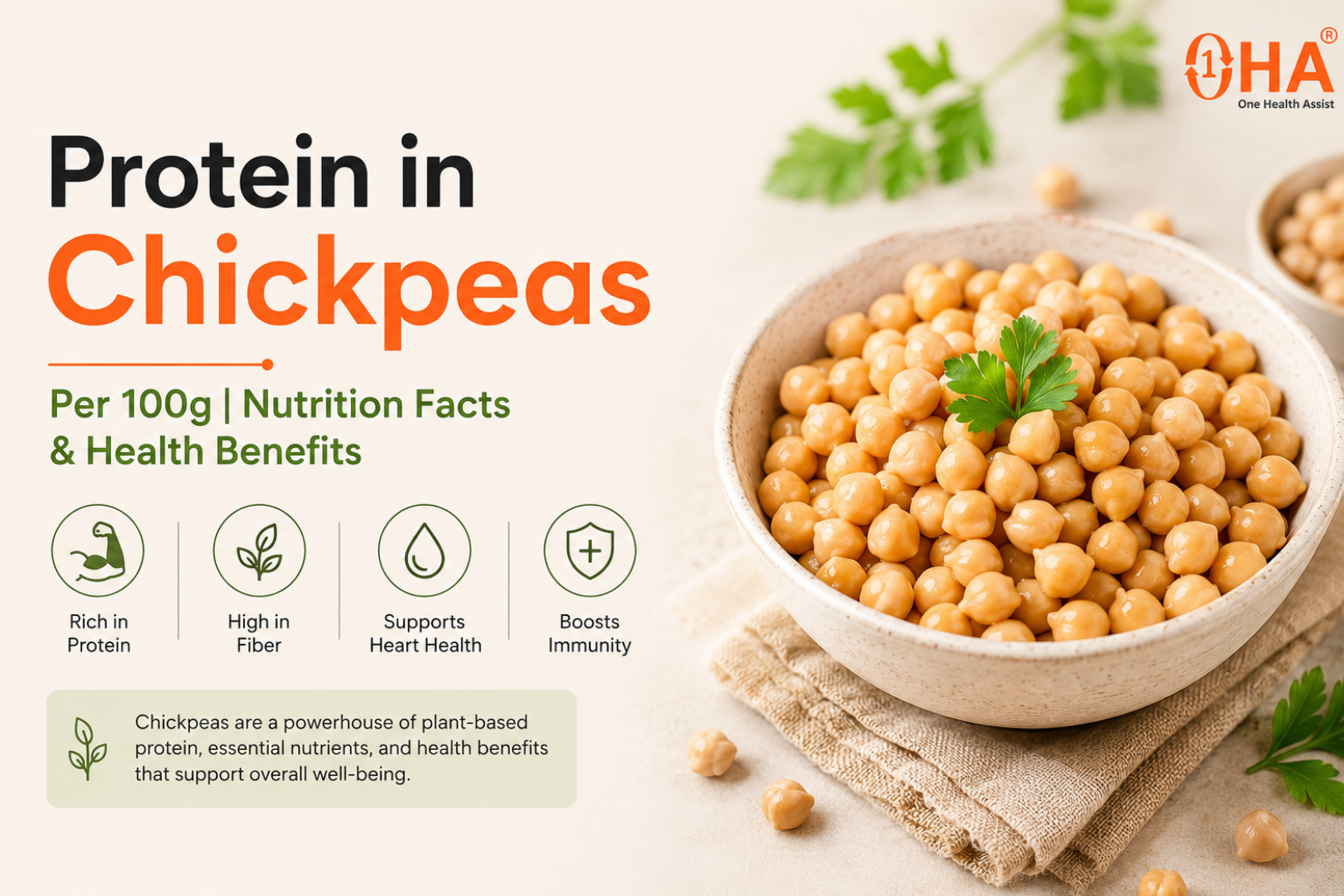
When we talk about protein in chickpeas per 100g, the exact amount varies depending on how the chickpeas are prepared. Raw, uncooked chickpeas contain significantly more protein per weight than cooked ones because cooking adds water. However, cooked chickpeas are the form most people actually consume, making this distinction important for real-world nutrition planning.
Table of Contents
- What Are Chickpeas?
- Understanding Types & Protein Content
- How Much Protein in 100g of Chickpeas?
- Benefits of Chickpea Protein for Your Body
- Why Chickpea Protein Matters for Indian Diets
- Understanding Chickpea Varieties: Protein Breakdown by Type
- Quick Insights: Chickpea Nutrition Facts
- Pros and Cons of Chickpeas as a Protein Source
- People Also Ask About Chickpea Protein
- Frequently Asked Questions
- Key Takeaways
How Much Protein in 100g of Chickpeas?
Chickpeas are one of the most popular plant-based protein sources, and their protein content can vary depending on whether they are boiled, roasted, canned, or uncooked. On average, 100g of chickpeas provides a solid amount of protein, but the exact number changes based on moisture content and preparation method. This makes chickpeas a versatile ingredient for people looking to support muscle repair, satiety, and balanced eating.
What Are Chickpeas?
Chickpeas, also known as chana in India, are nutrient-dense legumes that have been a staple of South Asian diets for centuries. These small, round beans are packed with plant-based protein, making them an excellent choice for vegetarians, vegans, and anyone looking to boost their protein intake naturally.
Understanding Types & Protein Content
Chickpeas come in several varieties white chickpeas (kabuli chana), black chickpeas (kala chana), and green chickpeas each with slightly different nutritional profiles. Understanding these differences helps you choose the best chickpea type for your dietary goals. Whether you’re looking to build muscle, maintain healthy weight, or simply add more fiber to your diet, chickpeas offer a versatile, affordable, and delicious solution that works for most dietary patterns.
Protein Content in Boiled Chickpeas
Boiled chickpeas contain around 18–19 grams of protein per 100g. This is the most common form eaten in Indian households, whether used in chaat, salads, curries, or snacks. Boiling softens the chickpeas and makes them easier to digest, while still preserving most of their nutritional value. Since they absorb water during cooking, the protein density appears slightly lower than in dried chickpeas, but they remain an excellent everyday source of plant protein.
Roasted Chickpeas
Roasted chickpeas generally provide about 21–23 grams of protein per 100g. Because the moisture is reduced during roasting, the protein becomes more concentrated by weight. This makes roasted chickpeas a more protein-dense snack option compared to boiled chickpeas. They are especially useful for people who want a crunchy, portable, and filling snack with a higher protein-to-volume ratio.
Canned Chickpeas
Canned chickpeas usually contain around 12–14 grams of protein per 100g, though this can increase slightly to about 15 grams per 100g after draining and rinsing. The lower protein concentration is mainly because canned chickpeas are stored in liquid, which adds weight without adding protein. They are convenient and time-saving, but they may also contain added sodium, so rinsing them well is a good idea if you are watching your salt intake.
Raw or Uncooked Chickpeas
Dried, uncooked chickpeas have the highest protein concentration, offering roughly 21–25 grams of protein per 100g. However, they should never be eaten raw because they are hard to digest and require soaking and cooking before consumption. Once prepared properly, they become much easier to eat and digest, while still remaining a strong source of protein and complex carbohydrates.
Benefits of Chickpea Protein for Your Body
Chickpea protein offers far more than just muscle support. It combines high-quality plant protein with dietary fiber, complex carbohydrates, vitamins, and essential minerals that contribute to overall health. Whether your goal is building muscle, losing weight, improving digestion, or maintaining heart health, chickpeas provide a nutrient-dense and affordable option that fits into most balanced diets.
Supports Muscle Growth, Recovery, and Repair
Chickpeas are an excellent source of plant-based protein, supplying essential amino acids required for muscle maintenance and tissue repair. Although chickpea protein contains all nine essential amino acids, it is relatively lower in methionine compared to animal proteins. Pairing chickpeas with grains such as rice or whole wheat creates a more complete amino acid profile, making them ideal for vegetarian and vegan diets.
Improves Digestive Health and Supports a Healthy Gut
A 100-gram serving of chickpeas provides approximately 8 grams of dietary fiber, making them one of the best legumes for digestive wellness. Cooked chickpeas also contain resistant starch, a type of prebiotic carbohydrate that nourishes beneficial gut bacteria. During fermentation in the large intestine, resistant starch produces short-chain fatty acids that help strengthen the gut lining, reduce inflammation, and promote a healthier gut microbiome.
Promotes Steady Energy and Better Blood Sugar Control
Unlike refined carbohydrates that cause rapid spikes and crashes in blood glucose levels, chickpeas have a naturally low glycemic index. Their combination of protein, fiber, and complex carbohydrates slows digestion and allows glucose to enter the bloodstream more gradually.
This steady release of energy helps reduce mid-day fatigue, supports sustained physical and mental performance, and promotes better appetite control. Research suggests that including legumes such as chickpeas in meals may improve blood sugar management, making them a smart dietary choice for individuals with diabetes, prediabetes, or anyone looking to maintain consistent energy levels throughout the day.
Supports Healthy Weight Management and Keeps You Full Longer
One of the biggest advantages of chickpea protein is its ability to increase satiety. Protein and dietary fiber work together to slow stomach emptying and stimulate hormones associated with fullness, helping reduce hunger between meals.
A 100-gram serving of chickpeas delivers approximately 19 grams of protein and around 8 grams of fiber, creating a highly satisfying meal that may naturally reduce overall calorie intake. Including chickpeas in salads, curries, soups, or snacks can make long-term weight management easier by helping control cravings without sacrificing nutrition.
Promotes Heart Health and Healthy Cholesterol Levels
Regular consumption of chickpeas has been associated with improved cardiovascular health due to their unique combination of protein, soluble fiber, potassium, magnesium, and antioxidant compounds. Soluble fiber helps lower LDL (“bad”) cholesterol by reducing its absorption in the digestive tract, while potassium supports healthy blood pressure by balancing sodium levels in the body.
Research indicates that diets rich in legumes may reduce the risk of heart disease when combined with an overall heart-healthy lifestyle. Since chickpeas are naturally low in saturated fat and contain no cholesterol, they are an excellent protein source for maintaining cardiovascular wellness.
Supports Iron Intake and Helps Reduce the Risk of Anemia
Chickpeas are a valuable plant-based source of non-heme iron, providing approximately 3–4 milligrams of iron per 100 grams. Iron is essential for producing hemoglobin, transporting oxygen throughout the body, and preventing symptoms such as fatigue, weakness, and reduced physical performance.
Although non-heme iron is absorbed less efficiently than animal-derived iron, its absorption can be significantly improved by pairing chickpeas with vitamin C-rich foods such as tomatoes, lemons, oranges, or bell peppers. This makes chickpeas particularly beneficial for vegetarians, vegans, and individuals looking to increase their dietary iron intake naturally.
Provides Essential Vitamins and Minerals for Overall Wellness
Beyond protein, chickpeas are packed with important micronutrients that support everyday health. They provide folate for healthy cell growth, magnesium for muscle and nerve function, phosphorus for strong bones, manganese for metabolism, and zinc for immune support. Together, these nutrients contribute to better energy production, improved immunity, stronger bones, and optimal metabolic function, making chickpeas one of the most nutrient-dense legumes you can include in your diet.
Why Chickpea Protein Matters for Indian Diets
Chickpeas have been a cornerstone of Indian nutrition for centuries, offering an affordable, protein-rich food that fits naturally into both traditional and modern eating patterns. As one of the country’s most widely consumed legumes, chickpeas provide a practical solution for meeting daily protein needs without relying heavily on expensive animal-based foods or processed supplements. Their nutritional profile, accessibility, and versatility make them especially valuable for India’s predominantly plant-based population.
An Affordable Source of High-Quality Plant Protein
For many Indian households, chickpeas are one of the most cost-effective ways to increase daily protein intake. Compared with meat, fish, eggs, and imported plant-based protein products, chickpeas deliver substantial protein at a much lower cost per serving. This affordability makes them an excellent dietary staple for students, working professionals, families, and individuals seeking nutritious meals on a budget.
An Excellent Protein Choice for Vegetarian and Vegan Diets
India has one of the world’s largest vegetarian populations, making plant-based protein sources essential for maintaining balanced nutrition. Chickpeas provide approximately 19 grams of protein per 100 grams (boiled), along with dietary fiber, iron, folate, magnesium, and other essential nutrients.
When paired with cereals such as rice, wheat, millet, or other whole grains, chickpeas help create a more balanced amino acid profile. This traditional food combination supports muscle maintenance, tissue repair, and overall health while making it easier for vegetarians and vegans to meet their daily protein requirements.
Supports Nutrition Security Across Urban and Rural India
One of the greatest advantages of chickpeas is their long shelf life and year-round availability. Dried chickpeas can be stored for several months without refrigeration, making them a dependable pantry staple for both rural and urban households.
Their durability, affordability, and nutritional density contribute to household food security by providing a consistent source of protein, complex carbohydrates, and essential minerals.
A Sustainable Protein Source with Local Benefits
India is among the world’s leading producers of chickpeas, allowing consumers to benefit from locally grown produce rather than depending on imported protein supplements or specialty foods. Choosing locally cultivated chickpeas supports Indian agriculture, shortens supply chains, and generally has a lower environmental footprint than many animal-based protein sources.
Easily Fits into Traditional Indian Cuisine
One of the biggest strengths of chickpeas is how effortlessly they integrate into everyday Indian meals. They are commonly used in dishes such as chana masala, chole, chana dal, sundal, salads, soups, chaats, hummus, and roasted snacks. Because chickpeas complement a wide variety of spices, grains, and vegetables, they can be included in breakfast, lunch, dinner, and even healthy snacks, making high-protein eating both enjoyable and sustainable.
A Smart Choice for Modern Health-Conscious Lifestyles
As more Indians focus on fitness, weight management, and preventive healthcare, chickpeas have emerged as a preferred whole-food protein source. Their combination of protein, fiber, complex carbohydrates, and essential micronutrients supports muscle health, digestive wellness, blood sugar control, and long-lasting satiety.
Understanding Chickpea Varieties: Protein Content by Type
Not all chickpeas have the same nutritional profile. The protein content, texture, taste, and micronutrient composition vary depending on the variety. The three most common types white chickpeas (Kabuli chana), black chickpeas (Kala chana), and green chickpeas (Hara chana) each offer unique health benefits while serving as excellent sources of plant-based protein. Understanding these differences can help you choose the right variety based on your nutritional goals and preferred recipes.
White Chickpeas (Kabuli Chana)
White chickpeas, also known as Kabuli chana, are the most widely consumed variety across the world. They contain approximately 19 grams of protein per 100g when boiled and around 21–22 grams per 100g when roasted. Their large size, creamy texture, and mild flavor make them incredibly versatile for everyday cooking.
Kabuli chickpeas are commonly used in dishes such as chole, hummus, salads, soups, curries, and grain bowls. In addition to protein, they provide dietary fiber, complex carbohydrates, folate, iron, and magnesium, making them a well-rounded ingredient for balanced meals. Their slightly higher carbohydrate content also provides sustained energy, making them suitable for active individuals and those looking for a filling, nutritious food.
Black Chickpeas (Kala Chana)
Black chickpeas, or Kala chana, are smaller, darker, and denser than Kabuli chickpeas, with a rich, earthy flavor. They contain approximately 20–21 grams of protein per 100g when boiled and 23–24 grams per 100g when roasted, making them one of the highest-protein chickpea varieties.
Kala chana is especially popular in Indian cuisine and is often prepared as curries, dry sabzis, salads, or healthy snacks. Along with their higher protein content, they are naturally rich in dietary fiber, iron, zinc, magnesium, and antioxidants that support immunity, heart health, and energy metabolism. Because of their lower glycemic impact and higher fiber content, Kala chana is often preferred by people managing blood sugar levels or following weight-loss diets.
Green Chickpeas (Fresh or Hara Chana)
Green chickpeas, also called Hara chana, are the fresh, immature form of chickpeas harvested before drying. They provide approximately 12–14 grams of protein per 100g and have a naturally sweet, nutty flavor with a soft texture.
Unlike dried chickpeas, fresh green chickpeas are rich in vitamin C and other heat-sensitive nutrients that are typically reduced during drying and storage. They are commonly enjoyed roasted, lightly sautéed, added to salads, or eaten as a seasonal snack. Their freshness also makes them easier to digest while offering a good balance of protein, fiber, and essential vitamins.
Sprouted Chickpeas: Better Digestibility and Nutrient Absorption
Sprouting chickpeas changes their nutritional profile by activating natural enzymes and reducing compounds such as phytic acid that can interfere with mineral absorption. Sprouted chickpeas generally contain around 12–14 grams of protein per 100g, although the protein concentration appears lower because of the additional moisture absorbed during sprouting.
The sprouting process improves the bioavailability of nutrients, enhances the amino acid profile, and increases levels of certain vitamins, particularly B vitamins and vitamin C
Comparison: Which Variety Offers Most Protein
Chickpea Variety |
Boiled (g/100g) |
Roasted (g/100g) |
Key Strength |
|---|---|---|---|
| White Chickpeas | 19 | 21–22 | Most versatile, creamy texture |
| Black Chickpeas | 20–21 | 23–24 | Highest protein, more micronutrients |
| Green Chickpeas (Sprouted) | 12–14 | N/A | Best digestibility, live enzymes |
| Canned (drained) | 15 | N/A | Most convenient |
Black chickpeas emerge as the protein champion when comparing equal weights, though white chickpeas remain the practical choice for most cuisines due to their versatility and milder taste.
Insights About Chickpea Nutrition
Chickpeas are much more than a source of plant-based protein. They provide a balanced combination of protein, dietary fiber, complex carbohydrates, vitamins, and essential minerals that support muscle health, digestion, heart function, and long-lasting energy. Whether consumed whole, roasted, sprouted, or as flour, chickpeas are one of the most versatile and nutrient-dense legumes you can include in your daily diet.
A Protein-Rich Alternative to Animal Foods
One cup (approximately 164g) of boiled chickpeas provides around 14–15 grams of protein, making it a substantial source of plant-based nutrition. While this is lower than an equivalent serving of chicken breast, chickpeas offer additional benefits through their high fiber content, complex carbohydrates, and beneficial micronutrients that animal proteins do not provide.
Pair Chickpeas with Grains for Complete Protein
Like most legumes, chickpeas contain all nine essential amino acids but are relatively lower in methionine. Fortunately, this is easily addressed by pairing them with grains such as rice, wheat, millets, oats, or whole-grain bread.
Traditional Indian meals naturally follow this principle through combinations such as chole with rice, chana dal with roti, or besan-based dishes served alongside cereals.
Sprouting Improves Digestibility and Nutrient Availability
Sprouting chickpeas activates natural enzymes that reduce antinutrients such as phytic acid, making important minerals like iron, zinc, and magnesium easier for the body to absorb. It also improves protein digestibility and enhances the availability of certain vitamins, particularly vitamin C and several B vitamins.
Because sprouted chickpeas are easier to digest, they are a great option for people seeking maximum nutritional value from whole foods while supporting better gut health.
Roasted Chickpeas Make a Healthy High-Protein Snack
Roasted chickpeas are a nutritious alternative to processed snacks such as chips, namkeen, or sugary biscuits. A 30-gram serving typically provides around 6–7 grams of protein along with approximately 4–5 grams of dietary fiber, helping promote fullness and steady energy levels.
Their combination of protein, fiber, and complex carbohydrates helps reduce hunger between meals, making roasted chickpeas an ideal snack for weight management, office breaks, post-workout recovery, or travel.
Chickpea Flour (Besan) Is Another Excellent Protein Source
Chickpea flour, commonly known as besan, contains approximately 20–22 grams of protein per 100 grams, making it another valuable way to increase protein intake. Since it is made by grinding dried chickpeas, it retains many of the same nutrients, including fiber, iron, folate, and magnesium.
Besan is widely used in Indian cooking to prepare dishes such as cheela, dhokla, kadhi, pakoras, and various baked recipes.
A Nutrient-Dense Food for Everyday Health
Beyond its protein content, chickpeas deliver a wide range of nutrients that contribute to overall wellness. Their combination of plant protein, dietary fiber, slow-digesting carbohydrates, antioxidants, and essential minerals supports muscle maintenance, digestive health, heart health, blood sugar management, and sustained energy throughout the day.
Pros and Cons of Chickpeas as a Protein Source
Chickpeas are among the most nutritious and affordable plant-based protein sources available today. They provide an impressive combination of protein, dietary fiber, complex carbohydrates, vitamins, and minerals that support overall health. However, like any food, chickpeas have both strengths and limitations. Understanding these advantages and potential drawbacks can help you incorporate them into a balanced diet more effectively.
Advantages of Chickpeas as a Protein Source
Affordable and Budget-Friendly Nutrition
One of the greatest benefits of chickpeas is their affordability. Compared with meat, fish, dairy products, and many commercial protein supplements, chickpeas provide a substantial amount of protein at a much lower cost. This makes them an excellent option for students, families, vegetarians, and anyone looking to increase protein intake without significantly increasing grocery expenses. Their wide availability throughout India and many other countries further enhances their value as an everyday staple.
Rich in Essential Vitamins and Minerals
Chickpeas offer much more than protein alone. They are naturally rich in iron, folate, magnesium, phosphorus, potassium, zinc, and manganese, all of which play important roles in energy production, immune function, muscle contraction, bone health, and red blood cell formation. Unlike many processed protein products, chickpeas provide these nutrients in a whole-food package that supports overall nutritional balance.
Excellent Source of Dietary Fiber
A 100-gram serving of boiled chickpeas contains approximately 8 grams of dietary fiber, making them highly beneficial for digestive health. Fiber supports regular bowel movements, nourishes beneficial gut bacteria, and promotes better gut function. It also slows digestion, helping regulate blood sugar levels and keeping you full for longer periods, which can support healthy weight management.
Environmentally Sustainable Protein
Compared with most animal-based protein sources, chickpeas have a significantly lower environmental footprint. They generally require less water, produce fewer greenhouse gas emissions, and contribute to healthier agricultural systems through natural nitrogen fixation in the soil. Choosing chickpeas more often can therefore support both personal health and environmentally sustainable eating habits.
Long Shelf Life and Easy Storage
Dried chickpeas have an exceptionally long shelf life and can be stored for many months without refrigeration when kept in a cool, dry place. This makes them an excellent pantry staple, helping reduce food waste while ensuring a reliable source of protein is always available for meal preparation.
Versatile and Easy to Include in Daily Meals
Few protein sources are as versatile as chickpeas. They can be prepared as curries, salads, soups, stews, roasted snacks, hummus, chaats, or ground into chickpea flour (besan) for dishes such as cheela, dhokla, and pakoras. Their adaptability allows them to fit easily into traditional Indian cuisine as well as Mediterranean, Middle Eastern, and modern healthy recipes.
Limitations of Chickpeas as a Protein Source
Lower Methionine Compared to Animal Protein
Although chickpeas contain all nine essential amino acids, they are relatively lower in methionine than animal-based proteins. This does not make them an incomplete food, but combining chickpeas with grains such as rice, wheat, millet, or oats creates a more balanced amino acid profile. Fortunately, this complementary pairing already exists in many traditional Indian meals.
May Cause Digestive Discomfort for Some People
Because chickpeas are naturally rich in fiber and certain fermentable carbohydrates, some individuals may experience bloating, gas, or mild digestive discomfort, particularly if they are not accustomed to eating legumes regularly. Proper soaking, thorough cooking, or sprouting can significantly improve digestibility while reducing these unwanted effects. Gradually increasing fiber intake and staying well hydrated can also help the digestive system adapt.
Slower Protein Digestion and Absorption
Plant-based proteins generally digest and absorb more slowly than highly refined animal proteins such as whey. While this slower digestion can promote longer-lasting fullness, athletes focused on rapid post-workout recovery may require larger servings of chickpeas or additional complementary protein sources to achieve optimal muscle protein synthesis.
Requires More Preparation Than Convenience Foods
Unlike ready-to-drink protein shakes or canned foods, dried chickpeas require advance preparation. They typically need soaking for 8–12 hours followed by 45–60 minutes of cooking, depending on the method used. Although pressure cookers and canned chickpeas reduce preparation time considerably, some people may still find the process less convenient than other protein options.
Naturally Contains Antinutrients
Raw chickpeas contain naturally occurring compounds such as phytic acid and enzyme inhibitors that can slightly reduce the absorption of certain minerals. Fortunately, traditional preparation methods—including soaking, sprouting, fermenting, and cooking—greatly reduce these compounds, improving both digestibility and nutrient bioavailability.
Flavor May Not Suit Everyone
Although chickpeas have a mild, nutty flavor that many people enjoy, they may not immediately appeal to individuals accustomed to diets centered around meat or heavily processed foods. Fortunately, their ability to absorb spices and seasonings makes them highly adaptable. Preparing chickpeas in flavorful curries, salads, roasted snacks, or spreads can make the transition to more plant-based meals both enjoyable and satisfying.
Protein & Calories Comparison
| Food (cooked) | Quantity | Calories | Protein | Category |
|---|---|---|---|---|
| Boiled egg (whole) | 1 large | 72–77 | 6–6.5 g | Protein |
| Egg whites | 100 g | 52 | 11 g | Protein |
| Chicken breast (boiled, skinless) | 100 g | 160–165 | 29–31 g | Protein |
| Chicken thigh (boiled, skinless) | 100 g | 180–190 | 24–26 g | Protein |
| Roti (wheat, no oil) | 1 medium (~40g) | ~120 | ~3 g | Carb |
| Dosa (plain, no oil) | 1 medium (~100g) | ~110–120 | ~3–4 g | Carb |
| Dal (cooked, mixed) | 100 g | ~105–116 | ~7–9 g | Mixed |
| Curd (plain, full fat) | 100 g | ~60–70 | ~3.5 g | Dairy |
| Milk (whole) | 500 ml | ~300–310 | ~16 g | Dairy |
| Milk (whole) | 250 ml | ~150–155 | ~8 g | Dairy |
| Peanuts (roasted) | 100 g | ~580–600 | ~25–26 g | Nuts |
| Banana | 2 medium (~240g) | ~210–220 | ~2.5 g | Fruit |
| Oats (rolled, dry) | 100 g | ~380–390 | ~13–17 g | Carb |
Pros and Cons of Relying on Chicken
People Also Ask About
How much protein is in 100g of canned chickpeas sold in India?
Canned chickpeas in liquid typically contain 12–14 grams of protein per 100 grams due to the brine. When you drain and rinse thoroughly, removing the liquid portion, the concentration increases to approximately 15–16 grams per 100 grams. Always drain canned chickpeas and rinse under running water to reduce sodium content and improve protein concentration slightly.
How much protein is in 100g of cooked chickpeas?
Boiled chickpeas contain approximately 19 grams of protein per 100 grams when cooked in plain water and weighed after cooking. The exact amount varies slightly based on cooking time and whether salt is added, but 19 grams is the reliable average you can plan meals around.
Which packaged chickpeas have the highest protein content per 100g?
Roasted chickpea snacks (sold as ready-to-eat packages) contain the highest protein concentration at 21–24 grams per 100 grams because moisture has been removed. However, check ingredient lists—some brands add oil or salt that may dilute the protein percentage slightly. Bulk-sourced dried chickpeas offer the purest option at 20–21 grams per 100g before cooking.
Do chickpeas have more protein than chicken?
Cooked chicken breast contains approximately 26–31 grams of protein per 100 grams, while boiled chickpeas provide 19 grams per 100 grams. Chicken is slightly more protein-dense by weight, but chickpeas offer superior fiber and micronutrient profiles. For caloric efficiency, chickpeas deliver protein alongside satiety benefits that chicken cannot match solo.
Compare protein content of different chickpea varieties per 100g.
Black chickpeas (kala chana) offer the highest protein at 20–21g boiled, 23–24g roasted. White chickpeas (kabuli) provide 19g boiled, 21–22g roasted. Green chickpeas (sprouted) deliver 12–14g fresh, but dramatically improve in digestibility. For maximum protein per gram, choose black chickpeas or roasted varieties regardless of color.
What are high-protein chickpea snack options available in India?
Roasted black chickpeas (namkeen chana), roasted white chickpeas with spices, and sprouted chickpea snacks offer 6–8 grams of protein per 30-gram serving. Chickpea flour-based products like pakora or chikhalwali provide 4–6 grams per serving. Combine roasted chickpeas with nuts for a complete amino acid profile snack that sustains energy for 3–4 hours.
Frequently Asked Questions
Can I get enough complete protein from chickpeas alone?
Chickpea protein is incomplete because it’s lower in methionine, but you don’t need to combine them in the same meal. Simply eating chickpeas regularly alongside whole grains, seeds, or nuts throughout your day creates a complete amino acid profile. Traditional Indian cuisine naturally pairs chickpeas with bread (roti, naan) or rice, solving this equation through cultural wisdom rather than consciously engineered meals.
How should I prepare chickpeas to maximize protein absorption?
Soak dried chickpeas for 8–12 hours, discard soaking water (which contains antinutrients), then boil for 45–60 minutes until soft. This preparation reduces phytic acid and enzyme inhibitors that block mineral absorption. Sprouting further increases digestibility—sprout soaked chickpeas for 2–3 days until small shoots emerge. Sprouted chickpeas show 20–25% better protein digestibility compared to boiled alone.
Are sprouted chickpeas better than boiled chickpeas nutritionally?
Sprouted chickpeas offer superior digestibility and increased vitamin content (especially vitamin C and B vitamins), but slightly lower raw protein content. The trade-off favors sprouted chickpeas for most people: better absorption means your body utilizes more of the available protein, plus enhanced micronutrient bioavailability. Both have their place depending on your specific needs.
What’s the best way to add chickpea protein to my daily diet?
Include chickpeas in lunch (curries, salads) and use chickpea flour in breakfast items like chikhalwali. This distributes protein throughout the day and prevents overreliance on single meals. A realistic goal: 1 cup of boiled chickpeas daily (roughly 31 grams protein) covers 40–50% of typical protein needs, leaving room for other sources without feeling restrictive.
Do different cooking methods affect chickpea protein content?
Boiling preserves approximately 95% of protein content. Roasting removes water, concentrating protein but not creating new protein molecules. Pressure cooking reduces cooking time from 60 to 15–20 minutes without significantly altering protein availability. However, prolonged high-heat cooking (over 2 hours) may damage some amino acids. Boiling or pressure cooking are optimal for protein preservation.
How do chickpea protein requirements differ for vegetarians vs. non-vegetarians?
Vegetarians need approximately 10% more total protein intake because plant protein bioavailability is lower. A vegetarian consuming 2000 calories should aim for 50–55 grams daily versus 45–50 for omnivores. However, proper combining (legumes + grains) and adequate fiber intake improve utilization, making the gap smaller in practice than in theory.
Key Takeaways
- Boiled chickpeas provide 19 grams of protein per 100 grams, offering a significant protein source that rivals or complements animal options depending on preparation and variety.
- Roasted and black chickpeas deliver even higher protein concentrations (21–24g/100g), making them ideal for those seeking maximum protein density in minimal volume.
- Chickpea protein is incomplete but combines seamlessly with grains, a pairing embedded in traditional Indian cuisine that solves the amino acid completeness equation naturally.
- Beyond protein, chickpeas deliver 8 grams of fiber, iron, magnesium, and zinc per 100g, providing comprehensive nutrition rather than isolated macronutrients.
- Cost-effectiveness makes chickpeas unmatched as a protein source for budget-conscious households, delivering nutrients at a fraction of meat or commercial supplement prices.
- Sprouting and proper preparation (soaking, cooking) dramatically improve digestibility and reduce antinutrients, maximizing the nutritional return from every chickpea consumed.
- Chickpeas adapt to diverse cuisines and meal patterns, from traditional curries to modern salads to convenient roasted snacks, making sustainable protein consumption realistic rather than burdensome.
Table: Chickpea Protein at a Glance
Form |
Protein per 100g |
Best Use |
Preparation Time |
Micronutrient Strength |
|---|---|---|---|---|
| Dried/Raw | 21–25g | Batch cooking, meal prep | 60+ mins | High iron, zinc |
| Boiled | 19g | Daily meals, curries | 60 mins | Balanced nutrition |
| Roasted | 21–24g | Snacking, protein boost | 15–20 mins | Concentrated nutrients |
| Canned (drained) | 15–16g | Quick meals, convenience | 0 mins | Moderate, higher sodium |
| Sprouted | 12–14g | Fresh consumption, salads | 2–3 days sprouting | Maximum digestibility, live enzymes |
| Chickpea Flour (Besan) | 20g | Baking, batters, binding | Already prepared | High protein density |
About This Article
This guide synthesizes nutrition science, traditional Indian culinary wisdom, and practical meal-planning strategies to answer a seemingly simple question: “How much protein is in 100g of chickpeas?” The answer approximately 19 grams for boiled, up to 24 grams for roasted varieties opens into a broader conversation about food as medicine, cultural nutrition patterns, and accessible health through affordable, sustainable choices.
DISCLAIMER: THIS WEBSITE DOES NOT PROVIDE MEDICAL ADVICE
The information, including but not limited to, text, graphics, images and other material contained on this website are for informational purposes only. No material on this site is intended to be a substitute for professional medical advice, diagnosis or treatment. Always seek the advice of your physician or other qualified health care provider with any questions you may have regarding a medical condition or treatment and before undertaking a new health care regimen, and never disregard professional medical advice or delay in seeking it because of something you have read on this website.